Modified Duodenal Switch in NJ | SADI-S Surgery at WLWC
When obesity continues to affect your health and quality of life, you may need a bariatric option that offers a stronger approach to weight loss and metabolic health.
Modified duodenal switch surgery, also known as SADI-S or loop duodenal switch, combines a sleeve-shaped stomach with a single intestinal bypass. It can support substantial weight loss and metabolic improvement, but it also changes nutrient absorption and requires lifelong follow-up.
At the Weight Loss and Wellness Center, Dr. Saniea F. Majid, MD, FACS, FASMBS, DABOM, evaluates each patient to determine whether SADI-S fits their health needs and goals. The WLWC team provides personalized support through preparation, recovery, nutrition, supplementation, and long-term monitoring at four New Jersey locations.
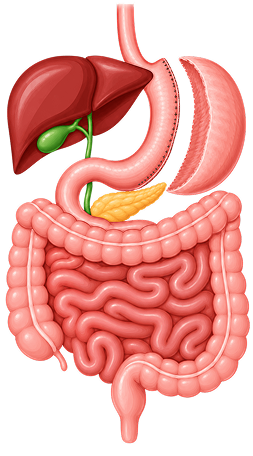
What is Modified Duodenal Switch Surgery?
Modified duodenal switch surgery is an advanced bariatric procedure that combines sleeve gastrectomy with a single intestinal bypass. The surgeon first creates a smaller, sleeve-shaped stomach to limit portions and help patients feel full sooner. The surgeon then divides the duodenum just beyond the stomach and connects it to a loop of the small intestine. Food follows this shorter pathway, which changes digestion, nutrient absorption, and metabolic signals.
The procedure is formally called single-anastomosis duodeno-ileal bypass with sleeve gastrectomy, or SADI-S. SADI is sometimes used as shorthand, while loop duodenal switch and SIPS may describe closely related techniques. Because terminology and surgical details can vary, Dr. Majid explains the exact approach recommended for each patient.
Traditional BPD/DS uses two intestinal connections, while SADI-S uses one. SADI-S also generally keeps more small intestine in the food pathway. This may reduce some nutritional concerns compared with traditional BPD/DS, but it does not eliminate them. Patients still need lifelong vitamin and mineral supplements, blood tests, and follow-up care.
Benefits of Modified Duodenal Switch
Explore how SADI-S combines a streamlined surgical design with personalized care and long-term support.
Combined Design
Combines a sleeve-shaped stomach with a single intestinal bypass.
One Connection
Uses one bowel connection instead of the two used in traditional BPD/DS.

Nutrient Care
May reduce some deficiency risks compared with traditional BPD/DS.

Weight Loss
May support substantial, lasting weight loss and metabolic improvement.

4 NJ Locations
Available in Clifton, Bridgewater, Springfield, and Rahway.

Payment Options
Financing is available through Cherry and CareCredit.
Who May Be a Candidate for
Modified Duodenal Switch Surgery?
Modified duodenal switch surgery, also called SADI-S, may be appropriate for selected adults who qualify for bariatric surgery and can commit to lifelong nutritional care. Dr. Majid evaluates your health, weight-loss needs, nutritional status, and surgical history before recommending the procedure. You may be a candidate if you meet the following criteria:


You have a BMI of 35 or higher, with or without obesity-related conditions

You have a BMI between 30 and 34.9 with metabolic disease or inadequate results from nonsurgical treatment

You need additional treatment after sleeve gastrectomy and conversion to SADI-S is clinically appropriate

You are ready for lifelong dietary guidance, supplements, blood tests, and follow-up

Medical, nutritional, and psychological evaluations confirm that surgery is appropriate
Meeting these criteria does not automatically mean SADI-S is right for you. Dr. Majid also considers your digestive symptoms, nutritional risks, previous surgery, weight-loss goals, and treatment preferences. If SADI-S is unsuitable, WLWC may recommend sleeve gastrectomy, gastric bypass, traditional BPD/DS, weight-loss medication, or medically supervised weight management.
Health Conditions
Conditions SADI-S May Improve

Type 2 diabetes

High blood pressure, also known as hypertension

High cholesterol and other lipid disorders

Obstructive sleep apnea, also known as OSA

Heart disease and other cardiovascular risk factors

Obesity-related metabolic conditions and reduced quality of life
SADI-S may improve several obesity-related conditions through weight loss and metabolic changes, but results vary. Because the procedure also changes nutrient absorption, long-term supplements, blood tests, and follow-up remain essential. Dr. Majid reviews your health conditions, nutritional needs, and goals to determine whether the potential benefits make SADI-S an appropriate option for you.
What to Expect Before and
After Modified Duodenal Switch Surgery
SADI-S is a major procedure. Dr. Majid and the WLWC team explain each stage, help you prepare for the dietary and nutritional changes ahead, and provide continued support after surgery.

Your journey begins with a comprehensive consultation with Dr. Majid. She reviews your BMI, health history, obesity-related conditions, previous weight loss treatment, prior abdominal or bariatric surgery, digestive symptoms, and long-term goals. She also explains how SADI-S differs from other bariatric procedures and answers your questions about the recommended technique.
Before surgery is scheduled, you will complete the required medical, nutritional, and psychological evaluations. The WLWC team will help you prepare for dietary changes, vitamin and mineral supplementation, recovery, and lifelong follow-up. These steps help confirm that the procedure is appropriate and that you understand the commitments required after surgery.

After surgery, Dr. Majid and her team guide you through a phased diet, hydration and protein goals, activity recommendations, and your prescribed supplement plan. Your care continues after the initial recovery period because SADI-S changes how your body absorbs certain nutrients.
Depending on your needs, ongoing care may include:
- Nutritional counseling with a registered dietitian
- Clinical weight management support
- Weight loss support groups
- Regular blood tests to monitor vitamin and mineral levels
- Follow-up appointments with Dr. Majid
The goal is to support safe healing while helping you develop the nutrition, activity, and follow-up habits needed for long-term health and weight management.
Recovery After Modified Duodenal Switch Surgery
Recovery is different for every patient. SADI-S uses one intestinal connection, but it is still a major abdominal operation. Your recovery timeline will depend on your health, the exact procedure performed, and how your body heals.
Patients are generally encouraged to get up and walk soon after surgery. Dr. Majid will tell you when you can resume light daily activities, work, exercise, and other routines. Follow your individual WLWC instructions rather than comparing your recovery with someone else’s.

Week 1
Clear liquids only
Begin clear liquids, focus on hydration, and follow WLWC’s instructions.
Week 2
Full liquid diet
Add approved full liquids and work toward your personalized protein goal.

Week 3
Soft foods
Introduce approved soft foods gradually as your system adjusts.

Month 3
Solid foods
Transition toward solid foods as directed by the WLWC nutrition team.
Diet stages and timing may vary according to your progress. Lifelong supplements and regular blood tests remain essential after SADI-S. Dr. Majid and the WLWC team will adjust your nutritional plan based on your diet, symptoms, laboratory results, and individual needs.
Why Choose WLWC for Modified Duodenal Switch in NJ?
Modified Duodenal Switch is one of the most complex bariatric procedures and requires advanced surgical expertise, careful patient selection and lifelong nutritional follow-up. At the Weight Loss and Wellness Center, Dr. Majid and her team help patients understand whether the procedure aligns with their health needs, weight-loss goals and ability to make long-term dietary changes.

Personalized Treatment Planning
Every plan begins with a careful review of the patient’s medical history, lifestyle, health concerns, previous weight-loss efforts and goals so Dr. Majid can recommend the most appropriate option.
Comprehensive Weight-Loss Care
WLWC offers comprehensive obesity care under one roof, including surgical, endoscopic and medical weight-loss options, nutritional counselling and body contouring, so care can adapt as patients’ needs change.
Long-Term Support After Treatment
Support continues beyond treatment through follow-up care, nutritional counselling, online support groups and WLWC’s Back on Track programme for patients who need help after weight regain.
Four Convenient NJ Locations
With offices in Clifton, Bridgewater, Springfield and Rahway, WLWC makes consultations and follow-up care more accessible to patients across New Jersey.
Advanced Surgical Expertise
Dr. Majid is a board-certified bariatric surgeon and obesity medicine specialist, fellowship-trained in minimally invasive, bariatric and robotic surgery, a published researcher, past president of the New Jersey chapter of ASMBS, with 15+ years’ experience.
Insurance and Financing Support
Coverage varies by plan. WLWC works with several major insurance carriers and offers self-pay and financing options through Cherry and CareCredit. The team helps patients understand their options.
If you are considering Modified Duodenal Switch and want to know whether it is right for you, schedule a consultation with Dr. Majid at the Weight Loss and Wellness Center. With locations in Clifton, Bridgewater, Springfield and Rahway, WLWC provides personalised bariatric care and ongoing support for patients across New Jersey.
Frequently Asked Questions
Is SADI the same as modified duodenal switch surgery?
SADI is often used as shorthand for the procedure, while SADI-S specifically means single-anastomosis duodeno-ileal bypass with sleeve gastrectomy. Loop duodenal switch and SIPS may refer to closely related techniques, but the exact anatomy and terminology can vary. Dr. Majid will explain which procedure she recommends and how it will be performed.
How does SADI-S differ from traditional BPD/DS?
Both procedures combine a sleeve-shaped stomach with an intestinal bypass. SADI-S uses one intestinal connection, while traditional BPD/DS uses two. SADI-S also generally keeps more small intestine in the food pathway. It may reduce some nutritional concerns compared with BPD/DS, but lifelong supplementation and monitoring remain necessary with either procedure.
How much weight can I lose with modified duodenal switch surgery?
SADI-S can support substantial weight loss, but results vary. Your starting weight, health, eating and activity habits, supplement use, and follow-up care can all influence your outcome. Because SADI-S is newer than several established bariatric procedures, Dr. Majid will discuss the available evidence and set realistic expectations for your individual treatment plan.
Will I need supplements after SADI-S?
Yes. SADI-S changes nutrient absorption, so patients need lifelong vitamin and mineral supplementation. Regular blood tests help the WLWC team identify deficiencies and adjust your supplement plan. Never reduce or stop supplements without guidance from your bariatric care team.
Will insurance cover modified duodenal switch surgery in New Jersey?
Coverage depends on your insurance plan, medical necessity requirements, and whether the plan covers SADI-S. The WLWC team can help you review your benefits and documentation requirements. WLWC does not accept Medicaid plans and also offers self-pay and third-party financing options, including Cherry and CareCredit.
Is modified duodenal switch surgery available near me in New Jersey?
WLWC serves patients through offices in Clifton, Bridgewater, Springfield, and Rahway. Your surgical care and follow-up schedule will depend on your treatment plan. Contact the team to confirm the most convenient location for consultations, nutritional support, and ongoing visits.