Spatz3 Gastric Balloon in New Jersey | WLWC
When diet and exercise have not produced lasting results, an adjustable gastric balloon may provide additional support without permanently changing the digestive system. Spatz3 is a temporary intragastric balloon whose volume can be increased or reduced during treatment when clinically appropriate.
At the Weight Loss and Wellness Center, Dr. Saniea F. Majid, MD, FACS, FASMBS, DABOM, evaluates your BMI, health, digestive history, previous weight loss efforts, and goals before recommending Spatz3. Treatment combines the balloon with nutrition, activity, behavior changes, medical monitoring, and follow-up.
Consultations and continued care are available through WLWC locations in Clifton, Bridgewater, Springfield, and Rahway.
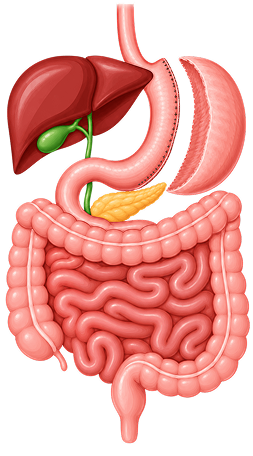
What is the Spatz3 Gastric Balloon?
The Spatz3 Adjustable Intragastric Balloon is a temporary, saline-filled device placed inside the stomach during an endoscopic procedure. It is inserted through the mouth under sedation, without abdominal incisions, stomach removal, or intestinal rerouting.
The balloon partially fills the stomach and may delay stomach emptying. This can help you feel full sooner, stay satisfied longer, and manage smaller portions. It works alongside a supervised diet and behavior-change program rather than producing lasting weight loss on its own.
Unlike fixed-volume balloons, Spatz3 can be adjusted after placement through another endoscopic procedure. Its volume may be reduced to address certain tolerance problems or increased when clinically appropriate to support continued progress. Not every patient needs an adjustment.
In the United States, Spatz3 can remain in place for a maximum of eight months and must then be removed endoscopically. Common early effects include nausea, vomiting, cramping, fullness, and reflux. Less common but serious risks include dehydration, ulcers, balloon deflation or migration, blockage, pancreatitis, spontaneous hyperinflation, and injury to the stomach or esophagus.
Why Consider the Spatz3 Balloon?
See how adjustability may personalize comfort and progress during temporary balloon-assisted weight loss.
No Incisions
Placed through the mouth without abdominal incisions or stomach removal.

Portion Control
May help you feel full sooner and manage smaller meals.

Up to 8 Months
Can remain in place for up to eight months in the United States.
Fully Removable
Deflated and removed endoscopically by the end of treatment.
Outpatient Care
Most patients go home after monitoring on the day of placement.
Adjustable Size
Balloon volume can be increased or reduced through repeat endoscopy.

Who May Be a Candidate for the Spatz3 Balloon?
Spatz3 may be appropriate for selected adults who meet its age, BMI, and health requirements and have not achieved lasting results through supervised weight-loss efforts. You may be a candidate if you meet the following criteria:

You are 22 to 65 years old with a BMI between 35 and 40

You have a BMI between 30 and 34.9 with a major obesity-related condition

Supervised diet and behavior changes have not produced lasting weight loss

You can safely undergo endoscopic placement, adjustment, and removal

You are ready to follow long-term dietary changes and follow-up care
Meeting these criteria does not automatically mean Spatz3 is right for you. Dr. Majid also reviews your digestive health, previous gastrointestinal surgery, reflux symptoms, ulcers or inflammation, bleeding risk, medications, and pregnancy status. If Spatz3 is unsuitable, WLWC may recommend another endoscopic, medication-based, surgical, or medically supervised weight-loss option.
Health Conditions
Conditions Weight Loss May Improve

Type 2 diabetes

High blood pressure, also known as hypertension

High cholesterol or abnormal lipid levels

Obstructive sleep apnea, also known as OSA

Heart disease and other cardiovascular risk factors

Obesity-related fatty liver disease
Health improvements vary and depend on the amount of weight lost, the severity of the condition, current medications, and the habits maintained after balloon removal. Spatz3 does not directly treat these conditions or replace ongoing medical care. Continue taking prescribed medications unless the clinician managing your condition recommends a change.
What to Expect Before and
After Spatz3 Balloon Placement
Spatz3 treatment includes evaluation, endoscopic placement, dietary adjustment, follow-up, possible volume changes, and scheduled removal. The WLWC team explains each stage before treatment begins.

The process begins with a consultation with Dr. Majid. She reviews your BMI, medical history, digestive symptoms, medications, previous weight loss efforts, eating patterns, and treatment goals. She also explains how Spatz3 compares with medication-based, endoscopic, and surgical weight loss options.
Because Spatz3 is placed through the digestive tract, Dr. Majid asks about reflux, ulcers, swallowing problems, gastrointestinal bleeding, previous abdominal or digestive surgery, and other conditions that may affect eligibility.
Preparation may include:
- A physical examination and blood tests
- A nutritional assessment
- Review of prescription and over-the-counter medications
- Instructions about fasting before placement
- A temporary pre-procedure diet
- Transportation arrangements for the day of placement
Do not stop blood thinners or any other prescribed medication unless the prescribing clinician and the WLWC team provide clear instructions.

The Spatz3 balloon is placed through the mouth using an endoscope and filled with sterile saline. After the procedure, you will be monitored before going home.
The WLWC team provides instructions for hydration, prescribed medications, physical activity, and dietary progression. Nausea, vomiting, cramping, fullness, bloating, and reflux are common as the stomach adjusts.
Continued care may include:
- Nutritional counseling with a registered dietitian
- Clinical weight management
- Weight loss support groups
- Activity and behavior guidance
- Medical monitoring and progress reviews
- Balloon adjustment when clinically appropriate
An adjustment requires another endoscopic procedure under sedation. The balloon must be removed endoscopically within eight months of placement, even if no adjustment is needed.
Recovery After Spatz3 Balloon Placement
Most patients go home after monitoring on the day of placement, but the initial adjustment varies. Nausea, vomiting, abdominal cramping, fullness, fatigue, and reflux may occur during the first several days.
Follow the prescribed medication and dietary plan rather than advancing your diet according to a fixed timeline. The WLWC team may modify your instructions based on your symptoms and tolerance.
Hydration
Liquid diet
Take small, frequent sips and call the team if fluids will not stay down.

Liquids
Fluid Diet
Begin with the prescribed liquid diet while your stomach adjusts.

Soft Foods
Diet Steps
Add soft foods gradually according to tolerance and WLWC guidance.

Follow-Up
Regular visits
Attend visits for symptoms, nutrition, progress, adjustment, and removal.
Contact the WLWC team promptly if you experience severe or worsening abdominal pain, repeated vomiting, abdominal swelling, difficulty breathing, fever, black stools, or an inability to drink. Severe abdominal or back pain may require urgent evaluation.
Why Choose WLWC for Spatz3 Gastric Balloon in NJ?
Spatz3 Gastric Balloon is one of the most complex bariatric procedures and requires advanced surgical expertise, careful patient selection and lifelong nutritional follow-up. At the Weight Loss and Wellness Center, Dr. Majid and her team help patients understand whether the procedure aligns with their health needs, weight-loss goals and ability to make long-term dietary changes.

Personalized Treatment Planning
Every plan begins with a careful review of the patient’s medical history, lifestyle, health concerns, previous weight-loss efforts and goals so Dr. Majid can recommend the most appropriate option.
Comprehensive Weight-Loss Care
WLWC offers comprehensive obesity care under one roof, including surgical, endoscopic and medical weight-loss options, nutritional counselling and body contouring, so care can adapt as patients’ needs change.
Long-Term Support After Treatment
Support continues beyond treatment through follow-up care, nutritional counselling, online support groups and WLWC’s Back on Track programme for patients who need help after weight regain.
Four Convenient NJ Locations
With offices in Clifton, Bridgewater, Springfield and Rahway, WLWC makes consultations and follow-up care more accessible to patients across New Jersey.
Advanced Surgical Expertise
Dr. Majid is a board-certified bariatric surgeon and obesity medicine specialist, fellowship-trained in minimally invasive, bariatric and robotic surgery, a published researcher, past president of the New Jersey chapter of ASMBS, with 15+ years’ experience.
Insurance and Financing Support
Coverage varies by plan. WLWC works with several major insurance carriers and offers self-pay and financing options through Cherry and CareCredit. The team helps patients understand their options.
If you are considering Spatz3 Gastric Balloon and want to know whether it is right for you, schedule a consultation with Dr. Majid at the Weight Loss and Wellness Center. With locations in Clifton, Bridgewater, Springfield and Rahway, WLWC provides personalised bariatric care and ongoing support for patients across New Jersey.
Frequently Asked Questions
How Does the Spatz3 Balloon Support Weight Loss?
The balloon occupies space in the stomach and may delay stomach emptying. This can help you feel full sooner, remain satisfied longer, and eat smaller portions. It must be combined with nutrition, activity, and behavior changes.
What Makes the Spatz3 Balloon Adjustable?
The balloon has a design that allows its saline volume to be changed after placement. Dr. Majid may reduce the volume to address certain tolerance problems or increase it when clinically appropriate to support continued progress.
Does Every Patient Need a Balloon Adjustment?
No. Patients who are comfortable and progressing appropriately may not need an adjustment. Dr. Majid considers symptoms, appetite, portion tolerance, weight changes, and overall health before recommending any change.
How Much Weight Can I Lose With Spatz3?
In the US clinical study used for FDA review, participants who received Spatz3 with dietary counseling lost an average of approximately 15% of their total body weight at 32 weeks. Individual results ranged widely and are not guaranteed. Outcomes depend on starting weight, health, balloon tolerance, eating habits, activity, and follow-up participation.
How Long Can Spatz3 Remain in the Stomach?
The maximum approved placement period in the United States is eight months. The balloon must be removed at eight months or earlier. Longer placement periods advertised in other countries do not apply to US treatment.
Is Spatz3 Placement Painful?
The balloon is placed during an endoscopic procedure under sedation. You should not feel the placement itself, but nausea, cramping, reflux, pressure, bloating, or abdominal discomfort may occur afterward while the stomach adjusts.
What Can I Eat After Placement?
You will begin with a prescribed liquid diet and gradually progress to soft foods and regular textures according to your tolerance and WLWC’s instructions. Long-term eating habits emphasize small portions, slow eating, thorough chewing, and nutrient-dense foods.
What Are the Risks of Spatz3?
Possible complications include dehydration, ulcers, bleeding, balloon deflation, migration, intestinal blockage, pancreatitis, spontaneous hyperinflation, and injury or perforation of the stomach or esophagus. Significant intolerance or another complication may require balloon adjustment or early removal.
How Is the Spatz3 Balloon Removed?
During an endoscopic procedure under sedation, the saline is withdrawn and the deflated balloon is removed through the mouth. No abdominal incision is required. Weight regain is possible after removal, so continued nutrition, activity, and behavioral support remain important.
How Much Does Spatz3 Cost at WLWC?
Spatz3 treatment at WLWC costs approximately $7,000 and is generally not covered by insurance. Pricing may change, so confirm the current cost and what it includes during your consultation. CareCredit and Cherry financing options may be available.
Where Is Spatz3 Care Available in New Jersey?
WLWC provides consultations and follow-up care in Clifton, Bridgewater, Springfield, and Rahway. The team confirms where placement, adjustment, and removal are performed during treatment planning.