BPD/DS Surgery in New Jersey |
Duodenal Switch at WLWC
Biliopancreatic diversion with duodenal switch, commonly called BPD/DS, is a powerful bariatric procedure for eligible patients with severe or complex obesity. It reduces the size of the stomach and reroutes much of the small intestine, helping patients eat less while changing hunger, metabolism, and nutrient absorption.
BPD/DS can support substantial, long-term weight loss, but it also carries a higher risk of nutritional deficiencies than many other bariatric procedures. For this reason, patients must commit to lifelong supplementation, nutritional monitoring, and follow-up care.
At the Weight Loss and Wellness Center, Dr. Saniea F. Majid, MD, FACS, FASMBS, DABOM, determines whether BPD/DS is appropriate for each patient and creates a personalized treatment plan. She and the WLWC team support patients across New Jersey through surgical preparation, nutrition, recovery, and long-term monitoring.
What is Biliopancreatic Diversion with Duodenal Switch?
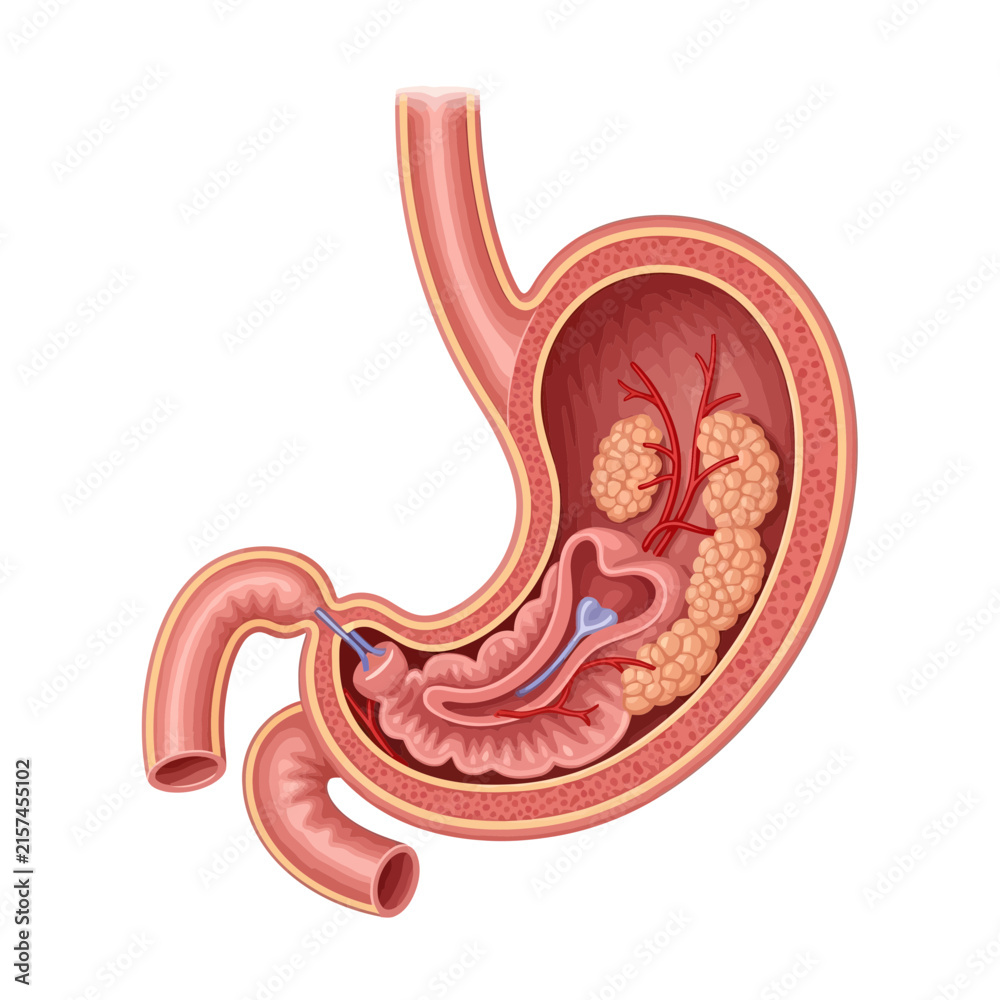
Biliopancreatic diversion with duodenal switch, also called BPD/DS, is a two-part bariatric procedure that combines a smaller stomach with intestinal rerouting.
First, the surgeon removes a large portion of the stomach to create a smaller, sleeve-shaped stomach. The pyloric valve, which controls the movement of food from the stomach, remains in place. This limits portion sizes and may reduce hunger through changes in appetite-related hormones.
Next, the surgeon divides the small intestine and connects its lower portion to a short section of the duodenum just beyond the stomach. Food then bypasses much of the small intestine. Digestive juices travel through a separate intestinal pathway and mix with food farther along the digestive tract. This reduces the absorption of calories and nutrients.
The duodenal switch distinguishes BPD/DS from the older BPD operation because it preserves the pyloric valve and a short portion of the duodenum. BPD/DS can support substantial weight loss and metabolic improvement, but patients require lifelong supplements, nutritional blood tests, and follow-up care.
Benefits of BPD/DS Surgery
Explore how BPD/DS may support substantial weight loss, metabolic improvement, and better long-term health.

Strong Results
Offers strong weight loss results compared with many bariatric procedures.

Lasting Results
May support substantial weight loss that can be maintained over time.

Better Health
May improve diabetes, blood pressure, sleep apnea, and cholesterol.

Less Hunger
Hormonal changes may reduce hunger and help you feel full sooner.

4 NJ Locations
Care is available in Clifton, Bridgewater, Springfield, and Rahway.

Payment Options
Self-pay options may include Cherry Financing and CareCredit.
Who May Be a Candidate for BPD/DS Surgery?
BPD/DS may be appropriate for carefully selected adults who qualify for bariatric surgery and may benefit from substantial weight loss and metabolic improvement. Because the procedure carries a higher risk of nutritional deficiencies, Dr. Majid also evaluates your nutritional health and ability to follow lifelong care. You may be a candidate if you meet the following criteria:

You have a BMI of 35 or higher, with or without obesity-related conditions

You have a BMI between 30 and 34.9 with metabolic disease or inadequate results from nonsurgical treatment

You have severe or complex obesity that may require greater weight-loss and metabolic effects

You are ready for lifelong dietary guidance, supplements, blood tests, and follow-up

Medical, nutritional, and psychological evaluations confirm that the expected benefits outweigh the individual risks
Meeting these criteria does not automatically mean BPD/DS is right for you. Dr. Majid also considers your overall health, surgical history, nutritional risks, and ability to follow lifelong care. If BPD/DS is unsuitable, WLWC may recommend sleeve gastrectomy, Roux-en-Y gastric bypass, or modified duodenal switch. Insurance eligibility and documentation requirements vary by plan.
Health Conditions
Conditions BPD/DS May Improve

Type 2 diabetes

High blood pressure, also known as hypertension

High cholesterol or abnormal lipid levels

Obstructive sleep apnea, also known as OSA

Fatty liver disease & other obesity-related metabolic conditions

Cardiovascular risk factors, mobility, and quality of life
Health outcomes vary by patient, and improvement or remission cannot be guaranteed. Because BPD/DS significantly changes nutrient absorption, its potential metabolic benefits must be considered alongside the risk of nutritional deficiencies and digestive side effects. Dr. Majid reviews your health, treatment history, and long-term needs before recommending surgery.
What to Expect Before and
After BPD/DS Surgery

Your BPD/DS journey begins with a detailed consultation with Dr. Majid. She reviews your BMI, health history, obesity-related conditions, previous weight loss treatment, medications, nutritional status, and long-term goals. This assessment helps determine whether BPD/DS or another weight loss option may be more appropriate.
Before surgery is scheduled, you will complete the required medical, nutritional, and psychological evaluations. Testing may include blood work and other assessments based on your health needs. Dr. Majid and the WLWC team also explain the procedure, recovery process, potential risks, and the lifelong need for supplements and nutritional monitoring.
This preparation helps you understand what BPD/DS involves and begin making the dietary and lifestyle changes needed after surgery.

After BPD/DS, Dr. Majid and her team guide you through healing, dietary progression, physical activity, supplementation, and long-term weight management. Because the procedure reduces the absorption of calories and nutrients, ongoing nutritional care is especially important.
Postoperative care may include:
- A phased transition from liquids to soft foods and then solid foods
- Individualized protein and hydration goals
- Nutritional counseling with a registered dietitian
- Lifelong vitamin and mineral supplementation as prescribed
- Regular blood tests to monitor vitamin, mineral, and protein levels
- Follow-up appointments with Dr. Majid
- Clinical weight management and weight loss support groups
The goal is to help you recover safely while building the habits and follow-up routine needed to protect your health and maintain your progress over time.
Recovery After BPD/DS Surgery
Recovery varies according to the surgical approach, your overall health, and how your body responds. Most patients are encouraged to get up and walk soon after surgery. Light activities may resume gradually, while full recovery and clearance for strenuous activity may take several weeks. Dr. Majid provides individualized guidance about work, exercise, driving, and lifting.

Week 1
Clear liquids
Begin with clear liquids, focusing on hydration and reducing nausea.
Week 2 onward
Full liquids
Move to full liquids and follow the protein goal set by the WLWC team.

Week 3 onward
Soft foods
Introduce soft foods gradually as your digestive system continues to heal.

Month 3
Solid foods
Transition toward solid foods when cleared by the WLWC nutrition team.
Why Choose WLWC for BPD/DS Surgery in NJ?
BPD/DS Surgery is one of the most complex bariatric procedures and requires advanced surgical expertise, careful patient selection and lifelong nutritional follow-up. At the Weight Loss and Wellness Center, Dr. Majid and her team help patients understand whether the procedure aligns with their health needs, weight-loss goals and ability to make long-term dietary changes.

Advanced Surgical Expertise
Dr. Majid is a board-certified bariatric surgeon and obesity medicine specialist, fellowship-trained in minimally invasive, bariatric and robotic surgery, a published researcher, past president of the New Jersey chapter of ASMBS, with 15+ years’ experience.
Personalized Treatment Planning
Every plan begins with a careful review of the patient’s medical history, lifestyle, health concerns, previous weight-loss efforts and goals so Dr. Majid can recommend the most appropriate option.
Comprehensive Weight-Loss Care
WLWC offers comprehensive obesity care under one roof, including surgical, endoscopic and medical weight-loss options, nutritional counselling and body contouring, so care can adapt as patients’ needs change.
Long-Term Support After Treatment
Support continues beyond treatment through follow-up care, nutritional counselling, online support groups and WLWC’s Back on Track programme for patients who need help after weight regain.
Four Convenient NJ Locations
With offices in Clifton, Bridgewater, Springfield and Rahway, WLWC makes consultations and follow-up care more accessible to patients across New Jersey.
Insurance and Financing Support
Coverage varies by plan. WLWC works with several major insurance carriers and offers self-pay and financing options through Cherry and CareCredit. The team helps patients understand their options.
If you are considering BPD/DS Surgery and want to know whether it is right for you, schedule a consultation with Dr. Majid at the Weight Loss and Wellness Center. With locations in Clifton, Bridgewater, Springfield and Rahway, WLWC provides personalised bariatric care and ongoing support for patients across New Jersey.
Frequently Asked Questions
How Much Weight Can I Lose with BPD/DS Surgery?
BPD/DS generally produces greater average weight loss than several other bariatric procedures, but individual results vary. Your results will depend on factors such as your starting weight, overall health, eating habits, physical activity, supplement use, and continued follow-up. Dr. Majid can explain the type of outcome that may be realistic for you without guaranteeing a specific amount of weight loss.
Is BPD/DS Surgery Reversible?
BPD/DS permanently removes a portion of the stomach and substantially reroutes the small intestine, so it is generally considered irreversible. In selected cases, a surgeon may revise part of the intestinal configuration to address a serious complication, but this requires another operation and does not restore the digestive tract to its original anatomy. Dr. Majid will discuss the permanent changes before surgery.
How Does BPD/DS Compare with Sleeve Gastrectomy or Gastric Bypass?
BPD/DS usually produces a greater weight loss and metabolic effect than sleeve gastrectomy or Roux-en-Y gastric bypass. However, it is also more complex and carries a greater risk of nutritional deficiencies, digestive changes, and certain surgical complications. The most appropriate procedure depends on your BMI, health conditions, nutritional status, previous surgery, and ability to follow lifelong care.
Will I Need to Take Vitamins for Life After BPD/DS?
Yes. Because BPD/DS significantly reduces nutrient absorption, lifelong vitamin and mineral supplementation is required. This usually includes fat-soluble vitamins A, D, E, and K, as well as other supplements selected by your care team. Regular blood tests are also essential because supplement needs may change over time. Take only the type and dose recommended by Dr. Majid and the WLWC nutrition team.
Will Insurance Cover BPD/DS Surgery in New Jersey?
Coverage varies by insurance plan. Some plans may cover BPD/DS when their medical-necessity, BMI, health-condition, and documentation requirements are met. WLWC can help you understand the approval process and also offers self-pay and third-party financing options through Cherry Financing and CareCredit. WLWC does not accept Medicaid plans.
Is BPD/DS Surgery Available Near Me in New Jersey?
Yes. WLWC serves patients through locations in Clifton, Bridgewater, Springfield, and Rahway. Patients can access consultations, follow-up appointments, nutritional counseling, and long-term weight loss support at these New Jersey locations.