Endoscopic Gastric Bypass Revision in New Jersey | WLWC
When weight returns after gastric bypass, it can be discouraging. However, it does not necessarily mean the original procedure failed. Weight regain can result from changes in eating patterns, health, medications, or anatomy, including enlargement of the opening between the stomach pouch and small intestine.
At the Weight Loss and Wellness Center, Dr. Saniea F. Majid, MD, FACS, FASMBS, DABOM, evaluates your previous surgery, current anatomy, health, and weight history to identify possible causes. If an enlarged outlet or pouch is contributing to weight regain, endoscopic gastric bypass revision may help restore restriction without another abdominal operation.
WLWC provides personalized care and follow-up at four New Jersey locations: Clifton, Bridgewater, Springfield, and Rahway.
What is Endoscopic Gastric Bypass Revision?
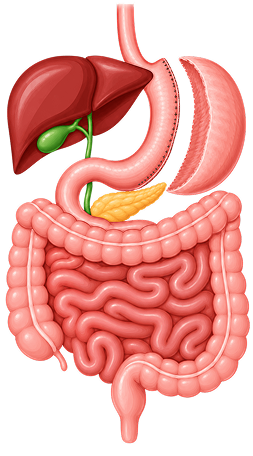
Endoscopic gastric bypass revision is an incision-free procedure for selected patients who have regained weight or experienced inadequate weight loss after Roux-en-Y gastric bypass.
Gastric bypass creates a small stomach pouch and connects it to the small intestine through an opening called the gastrojejunal anastomosis. Over time, this opening may become wider, allowing food to leave the pouch faster and making it harder to feel full with smaller portions.
During the revision, Dr. Majid passes a flexible endoscope through the mouth and into the stomach pouch. An endoscopic suturing device is then used to reduce the size of the enlarged outlet. The stomach pouch may also be reduced when clinically appropriate.
This procedure is commonly known as transoral outlet reduction, or TORe. It does not remove stomach tissue, make abdominal incisions, or reroute the intestines again. By tightening the outlet, TORe may slow pouch emptying, restore earlier fullness, and support renewed weight loss when combined with nutrition, activity, behavior changes, and ongoing follow-up.
Why Consider Endoscopic Revision?
See how TORe may restore fullness and support renewed weight loss without another abdominal operation.

No Incisions
Performed through the mouth without cuts through the skin.
Smaller Outlet
Reduces an enlarged opening between the pouch and small intestine.
Earlier Fullness
May help you feel full with smaller portions and remain full longer.

Same-Day Care
Most patients return home after monitoring on the day of treatment.

Short Recovery
Many patients resume routine activities within a few days.

Less Invasive
Avoids the abdominal surgery required for a surgical bypass revision.

Who May Benefit from Endoscopic Gastric Bypass Revision?
Endoscopic gastric bypass revision may be appropriate for selected patients who have regained weight or lost less weight than expected after Roux-en-Y gastric bypass. Dr. Majid evaluates the cause and determines whether changes in the bypass anatomy can be treated endoscopically. You may be a candidate if you have:

Previously undergone Roux-en-Y gastric bypass

Experienced weight regain or inadequate weight loss after the procedure

An enlarged gastric outlet or stomach pouch identified during evaluation

No complication or anatomical problem requiring surgical correction

Readiness to follow long-term nutrition, activity, and follow-up guidance
Meeting these criteria does not automatically mean endoscopic revision is right for you. Weight regain may also be influenced by medications, medical conditions, eating patterns, or physical activity. Dr. Majid reviews these factors before recommending TORe, medical weight management, nutritional support, weight-loss medication, or surgical revision.
Health Conditions
Conditions Weight Loss May Improve

Type 2 diabetes

High blood pressure

High cholesterol

Obstructive sleep apnea

Fatty liver disease

Obesity-related joint strain
Any improvement in these conditions results from weight loss and continued medical care, not from outlet reduction alone. Results vary according to the condition, weight-loss response, medication use, and long-term follow-up. Continue prescribed treatment and only change medications after consulting the clinician managing your condition.
What to Expect Before and
After Endoscopic Revision
Endoscopic gastric bypass revision includes a detailed evaluation, preparation, incision-free treatment, dietary progression, and follow-up. Dr. Majid and the WLWC team explain each stage before the procedure.

Dr. Majid reviews your original gastric bypass, weight history, eating patterns, symptoms, medications, medical conditions, and previous weight-loss efforts. An upper endoscopy or other testing may be recommended to evaluate the stomach pouch and outlet.
You will receive instructions about fasting and temporarily adjusting certain medications. Because anesthesia or sedation is used, you must arrange for someone to drive you home after the procedure.
During the Procedure
An endoscope equipped with a light, camera, and suturing device is passed through the mouth into the stomach pouch. Dr. Majid examines the bypass anatomy and places sutures to reduce the enlarged outlet. The pouch may also be reduced when appropriate.
The procedure does not require abdominal incisions. Patients are monitored afterward and usually return home once they are awake and medically stable.

Mild nausea, soreness, or abdominal discomfort may occur during the first few days. You will receive instructions for hydration, medication, diet, activity, and follow-up.
Long-term care may include nutritional counseling, clinical weight management, behavior support, physical activity guidance, and medication when appropriate. These measures help support the results of the revision.
Recovery After Endoscopic Revision
Recovery is usually shorter than recovery from surgical bypass revision. Many patients resume routine activities within a few days, although individual recovery varies. Follow WLWC’s instructions rather than returning to work, driving, exercise, or lifting according to a fixed timeline.
Hydration
Liquid diet
Take frequent sips and follow the prescribed liquid diet while the outlet heals.

Soft Foods
Diet Steps
Introduce soft foods gradually and carefully according to WLWC’s dietary plan.

Activity
Exercise
Resume light daily activities as advised and avoid strenuous exercise until cleared.
Follow-Up
Regular visits
Attend appointments to monitor healing, nutrition, symptoms, and progress.
Contact the WLWC team if you develop severe or worsening abdominal pain, persistent vomiting, difficulty keeping fluids down, fever, bleeding, chest pain, breathing difficulty, or another concerning symptom. Rare complications can include bleeding, infection, perforation, or excessive narrowing of the outlet.
Why Choose WLWC for Endoscopic Revision of Gastric Bypass in NJ?
Endoscopic Revision of Gastric Bypass is one of the most complex bariatric procedures and requires advanced surgical expertise, careful patient selection and lifelong nutritional follow-up. At the Weight Loss and Wellness Center, Dr. Majid and her team help patients understand whether the procedure aligns with their health needs, weight-loss goals and ability to make long-term dietary changes.

Personalized Treatment Planning
Every plan begins with a careful review of the patient’s medical history, lifestyle, health concerns, previous weight-loss efforts and goals so Dr. Majid can recommend the most appropriate option.
Comprehensive Weight-Loss Care
WLWC offers comprehensive obesity care under one roof, including surgical, endoscopic and medical weight-loss options, nutritional counselling and body contouring, so care can adapt as patients’ needs change.
Long-Term Support After Treatment
Support continues beyond treatment through follow-up care, nutritional counselling, online support groups and WLWC’s Back on Track programme for patients who need help after weight regain.
Four Convenient NJ Locations
With offices in Clifton, Bridgewater, Springfield and Rahway, WLWC makes consultations and follow-up care more accessible to patients across New Jersey.
Advanced Surgical Expertise
Dr. Majid is a board-certified bariatric surgeon and obesity medicine specialist, fellowship-trained in minimally invasive, bariatric and robotic surgery, a published researcher, past president of the New Jersey chapter of ASMBS, with 15+ years’ experience.
Insurance and Financing Support
Coverage varies by plan. WLWC works with several major insurance carriers and offers self-pay and financing options through Cherry and CareCredit. The team helps patients understand their options.
If you are considering Endoscopic Revision of Gastric Bypass and want to know whether it is right for you, schedule a consultation with Dr. Majid at the Weight Loss and Wellness Center. With locations in Clifton, Bridgewater, Springfield and Rahway, WLWC provides personalised bariatric care and ongoing support for patients across New Jersey.
Frequently Asked Questions
Is endoscopic gastric bypass revision another surgery?
No. It is an endoscopic procedure performed through the mouth without abdominal incisions. It uses sutures placed from inside the stomach pouch to reduce an enlarged gastric outlet.
Is endoscopic revision the same as TORe?
TORe stands for transoral outlet reduction. It is a common type of endoscopic gastric bypass revision that tightens the opening between the stomach pouch and small intestine.
How do I know whether my gastric outlet has enlarged?
An upper endoscopy allows Dr. Majid to examine and measure the stomach pouch and gastric outlet. Weight regain alone does not confirm that the outlet has enlarged.
Can the stomach pouch also be reduced?
The pouch may be reduced during the procedure when its size and the patient’s anatomy indicate that doing so may be helpful. The treatment plan is individualized.
How much weight can I lose after endoscopic revision?
Results vary according to anatomy, starting weight, eating habits, physical activity, medical conditions, and follow-up. Dr. Majid will discuss realistic expectations after completing your evaluation.
How long does the procedure take?
The duration depends on the anatomy and treatment required. Most patients are monitored after the procedure and return home the same day.
What can I eat after the procedure?
You will follow a staged diet that generally progresses from liquids to soft foods and then regular-textured foods. Follow the specific schedule provided by WLWC.
What are the risks of endoscopic revision?
Possible risks include bleeding, infection, reactions to anesthesia, perforation, and excessive narrowing of the outlet. Dr. Majid will explain the risks based on your health and anatomy.
Can the gastric outlet stretch again?
Yes. The outlet may enlarge again over time, and some patients may require further treatment. Long-term nutrition, activity, and follow-up remain important after TORe.
Does insurance cover endoscopic gastric bypass revision?
Coverage varies by insurance plan and the reason for treatment. Contact your insurer and WLWC to confirm eligibility, authorization requirements, and possible out-of-pocket costs.