Gastric Balloon in New Jersey | Non-Surgical Weight Loss at WLWC
When diet, exercise, or medication has not provided enough support, you may want another option without committing to bariatric surgery. A gastric balloon is a temporary, removable device that can help with portion control while you build healthier eating and activity habits.
At the Weight Loss and Wellness Center, Dr. Saniea F. Majid, MD, FACS, FASMBS, DABOM, reviews your health, weight history, digestive symptoms, previous treatments, and goals before recommending a gastric balloon. Treatment includes nutritional guidance, behavior support, medical monitoring, and follow-up before and after the balloon is removed.
Consultations and continued care are available through WLWC locations in Clifton, Bridgewater, Springfield, and Rahway.
What is a Gastric Balloon?
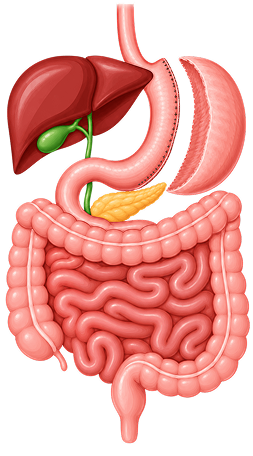
A gastric balloon, also called an intragastric balloon, is a temporary medical device placed inside the stomach to support weight loss. It is inserted through the mouth using an endoscope, so placement does not require abdominal incisions, stomach removal, or intestinal rerouting.
Once positioned, the balloon is filled with saline. It occupies space in the stomach and may help you feel full sooner, manage smaller portions, and reduce food intake. The balloon works alongside a supervised nutrition, activity, and behavior-change program rather than replacing these habits.
WLWC offers the Orbera and Spatz3 systems. Orbera has a fixed volume and must be removed after a maximum of six months. Spatz3 can be adjusted endoscopically when clinically appropriate and must be removed after a maximum of eight months.
Nausea, vomiting, cramping, fullness, and reflux are common while the stomach adjusts. Less common but serious complications can include dehydration, ulcers, balloon deflation or migration, blockage, pancreatitis, spontaneous hyperinflation, and injury to the stomach or esophagus.
Why Consider a Gastric Balloon?
See how a temporary intragastric balloon may support portion control and weight loss without bariatric surgery.
No Incisions
Placed endoscopically without abdominal incisions or stomach removal.
Portion Control
Occupies space in the stomach to help you feel full with less food.
Temporary Aid
Used for a defined treatment period and then removed.
Adjustable Care
Spatz3 volume can be adjusted when clinically appropriate.
Outpatient Care
Most patients go home after monitoring on the day of placement.
Health Benefits
Weight loss may improve blood pressure, blood sugar, sleep, & mobility.
Who May Be a Candidate for a Gastric Balloon?
A gastric balloon may be appropriate for selected adults seeking additional weight-loss support without bariatric surgery. Eligibility depends on the balloon system, BMI, health history, and ability to follow the treatment program. You may be a candidate if you meet the following criteria:

You have a BMI of 30 to 40 and meet the selected system’s health requirements

Supervised weight-loss efforts have not produced lasting results

You prefer a temporary option without abdominal surgery

You have no digestive condition or previous surgery that makes placement unsafe

You are ready for dietary changes, follow-up care, and timely balloon removal
Meeting these criteria does not automatically mean a gastric balloon is right for you. Dr. Majid also reviews reflux, swallowing problems, medications, previous gastrointestinal surgery, pregnancy or breastfeeding, and other health concerns. Eligibility requirements differ between Orbera and Spatz3. If neither system is suitable, WLWC may recommend medication, endoscopic sleeve gastroplasty, bariatric surgery, or clinical weight management.
Health Conditions
Conditions Weight Loss May Improve
Type 2 diabetes

High blood pressure, also known as hypertension

High cholesterol or abnormal lipid levels

Obstructive sleep apnea, also known as OSA

Heart disease and other cardiovascular risk factors

Obesity-related fatty liver disease
Health improvements vary and depend on the amount of weight lost, the severity of the condition, current medications, and the habits maintained after balloon removal. A gastric balloon does not directly treat these conditions or replace ongoing medical care. Continue taking prescribed medications unless the clinician managing your condition recommends a change.
What to Expect Before and
After Gastric Balloon Placement
Gastric balloon treatment includes evaluation, endoscopic placement, dietary adjustment, ongoing support, and scheduled removal. The WLWC team explains each stage so you know what to expect.

The process begins with a consultation with Dr. Majid. She reviews your BMI, medical history, medications, digestive symptoms, previous weight loss efforts, eating patterns, and treatment goals. This evaluation helps determine whether a gastric balloon is appropriate and which system may suit your needs.
Certain conditions can make placement unsafe. Dr. Majid therefore asks about reflux, ulcers, swallowing problems, gastrointestinal bleeding, previous stomach or esophageal surgery, pregnancy, and other relevant medical concerns.
Preparation may include:
- Blood tests or other assessments when required
- Instructions about fasting before placement
- Temporary medication adjustments
- A dietary preparation plan
- Transportation arrangements for the day of the procedure
- Guidance on managing nausea, reflux, or discomfort afterward
Dr. Majid also explains the benefits, limitations, possible complications, approved placement period, and scheduled removal of the selected balloon.

After the balloon is placed, you will be monitored before going home. The WLWC team provides instructions for hydration, medications, physical activity, and dietary progression.
Nausea, vomiting, cramping, reflux, and a strong feeling of fullness are common during the initial adjustment period. The intensity and duration of these symptoms vary. Contact the WLWC team if symptoms are severe, persistent, or make it difficult to keep fluids down.
During the treatment period, continued care may include:
- Nutritional counseling with a registered dietitian
- Clinical weight management
- Weight loss support groups
- Physical activity and behavior guidance
- Medical monitoring and progress reviews
- Spatz3 adjustments when clinically appropriate
The balloon must be removed within the approved treatment period. Support can continue after removal to help you maintain the eating, activity, and behavior changes developed during treatment.
Recovery After Gastric Balloon Placement
Most patients go home after monitoring on the day of placement, but the initial adjustment varies. Nausea, vomiting, abdominal cramping, fullness, bloating, and reflux are common during the first few days.
Follow the prescribed medication and dietary plan rather than advancing your diet based on a fixed timeline. The WLWC team may adjust your instructions according to your symptoms and tolerance.
Hydration
Liquid diet
Take small, frequent sips and call the team if fluids will not stay down.

Liquids
Fluid Diet
Begin with the prescribed liquid diet while your stomach adjusts.

Soft Foods
Diet Steps
Add soft foods gradually according to tolerance and WLWC guidance.
Follow-Up
Regular visits
Attend visits for symptoms, nutrition, progress, and balloon removal.
Contact the WLWC team promptly if you experience severe or worsening abdominal pain, repeated vomiting, abdominal swelling, difficulty breathing, fever, black stools, or an inability to drink. Severe abdominal or back pain may require urgent evaluation.
Why Choose WLWC for Gastric Balloon in NJ?
Gastric Balloon is one of the most complex bariatric procedures and requires advanced surgical expertise, careful patient selection and lifelong nutritional follow-up. At the Weight Loss and Wellness Center, Dr. Majid and her team help patients understand whether the procedure aligns with their health needs, weight-loss goals and ability to make long-term dietary changes.

Personalized Treatment Planning
Every plan begins with a careful review of the patient’s medical history, lifestyle, health concerns, previous weight-loss efforts and goals so Dr. Majid can recommend the most appropriate option.
Comprehensive Weight-Loss Care
WLWC offers comprehensive obesity care under one roof, including surgical, endoscopic and medical weight-loss options, nutritional counselling and body contouring, so care can adapt as patients’ needs change.
Long-Term Support After Treatment
Support continues beyond treatment through follow-up care, nutritional counselling, online support groups and WLWC’s Back on Track programme for patients who need help after weight regain.
Four Convenient NJ Locations
With offices in Clifton, Bridgewater, Springfield and Rahway, WLWC makes consultations and follow-up care more accessible to patients across New Jersey.
Advanced Surgical Expertise
Dr. Majid is a board-certified bariatric surgeon and obesity medicine specialist, fellowship-trained in minimally invasive, bariatric and robotic surgery, a published researcher, past president of the New Jersey chapter of ASMBS, with 15+ years’ experience.
Insurance and Financing Support
Coverage varies by plan. WLWC works with several major insurance carriers and offers self-pay and financing options through Cherry and CareCredit. The team helps patients understand their options.
If you are considering Gastric Balloon and want to know whether it is right for you, schedule a consultation with Dr. Majid at the Weight Loss and Wellness Center. With locations in Clifton, Bridgewater, Springfield and Rahway, WLWC provides personalised bariatric care and ongoing support for patients across New Jersey.
Frequently Asked Questions
Is a Gastric Balloon a Surgical Procedure?
No. The balloon is placed through the mouth using an endoscope, without abdominal incisions, stomach removal, or intestinal rerouting. However, it is still a medical procedure that generally involves sedation or anesthesia and requires clinical monitoring.
How Is a Gastric Balloon Placed?
The physician passes an endoscope through the mouth and into the stomach. After confirming that placement is safe, the deflated balloon is positioned and filled with saline. The exact steps depend on the balloon system being used.
What Is the Difference Between Orbera and Spatz3?
Orbera is a fixed-volume, saline-filled balloon that remains in the stomach for a maximum of six months. Spatz3 is also saline-filled, but its volume can be increased or decreased endoscopically when clinically appropriate. Spatz3 can remain in place for a maximum of eight months.
How Long Does the Balloon Stay in the Stomach?
The approved placement period depends on the device. Orbera must be removed after a maximum of six months, while Spatz3 must be removed after a maximum of eight months. Either balloon may need to be removed earlier if a complication or significant intolerance develops.
How Much Weight Can I Lose With a Gastric Balloon?
Weight loss varies according to starting weight, the balloon system, nutrition, activity, behavior changes, medical factors, and participation in follow-up care. Dr. Majid discusses realistic expectations based on your individual treatment plan rather than promising a fixed result.
Is Gastric Balloon Placement Painful?
Patients may experience pressure, cramping, nausea, vomiting, reflux, or abdominal discomfort as the stomach adjusts. Symptoms are often most noticeable during the initial adjustment period but can vary in severity and duration. Medication and dietary guidance may help manage them.
What Are the Risks of a Gastric Balloon?
Possible complications include dehydration, ulcers, bleeding, balloon deflation, migration, intestinal blockage, spontaneous hyperinflation, pancreatitis, and injury or perforation of the stomach or esophagus. Some complications require early balloon removal, hospitalization, or another procedure.
Can the Gastric Balloon Be Removed Early?
Yes. Early removal may be recommended if symptoms cannot be controlled, the balloon deflates or overinflates, a complication develops, or Dr. Majid determines that continuing treatment is unsafe.
Will I Regain Weight After the Balloon Is Removed?
Weight regain is possible because the balloon is temporary. Continuing the nutrition, activity, and behavior changes developed during treatment can help protect your progress. Additional medical, endoscopic, or medication-based support may be considered when appropriate.
Does Insurance Cover Gastric Balloon Treatment?
Coverage varies by insurance plan, and some insurers exclude gastric balloons from bariatric benefits. The WLWC team can help you review available coverage, self-pay, and financing options. CareCredit and Cherry Financing may be available.
Where Is Gastric Balloon Care Available in New Jersey?
WLWC provides consultations and follow-up care in Clifton, Bridgewater, Springfield, and Rahway. The team confirms the location for balloon placement and removal during treatment planning.