Band Over Bypass Surgery in New Jersey | WLWC
Weight regain or insufficient weight loss after gastric bypass can happen for several reasons. It does not automatically mean that another operation is needed. A careful evaluation can help identify what has changed and which treatment may provide the most benefit.
At the Weight Loss and Wellness Center, Dr. Saniea F. Majid, MD, FACS, FASMBS, DABOM, evaluates the original bypass, current anatomy, eating patterns, health needs, and previous treatment before recommending a next step. For selected patients, band over bypass surgery may add adjustable restriction to the existing stomach pouch without changing the intestinal bypass.
The WLWC team provides personalized support before and after treatment, with consultations and follow-up care available at four New Jersey locations.
What is Band Over Bypass Surgery?
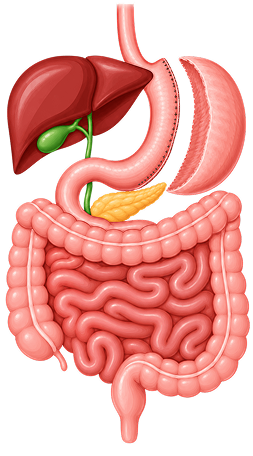
Band over bypass, also called band over pouch, is a revisional bariatric procedure for patients who previously had Roux-en-Y gastric bypass. During the operation, the surgeon places an adjustable silicone band around the existing stomach pouch. The band is connected by tubing to a small access port placed beneath the skin of the abdomen.
The band creates additional restriction at the outlet of the pouch. Saline can be added to or removed from the port during office visits to adjust the opening. The original gastric bypass and intestinal pathway remain in place, and no additional stomach tissue is removed.
The procedure is usually performed laparoscopically through several small incisions. It requires regular follow-up for band adjustments, nutrition, supplements, and monitoring. Additional weight loss varies, and long-term evidence for band over bypass remains limited. Band-related problems can include difficulty swallowing, reflux, slippage, erosion, port or tubing problems, and the need for another procedure or band removal. Dr. Majid reviews these considerations and available alternatives before recommending surgery.
Why Consider Band Over Bypass?
Learn how this option may add adjustable restriction while preserving the original gastric bypass and supporting renewed weight management.
Adjustable Care
Band tightness can be changed during follow-up visits as needs evolve.
Keeps Bypass
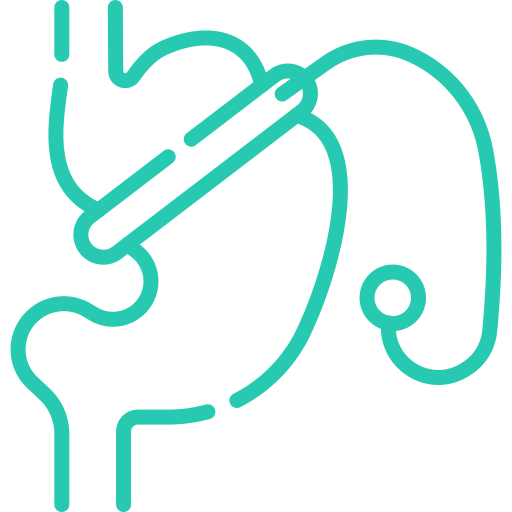
Preserves the original gastric bypass and intestinal pathway.

No Rerouting
Adds restriction without creating another intestinal bypass.
Small Incisions
Usually performed laparoscopically through several small incisions.
Port Access
A port beneath the skin allows the care team to adjust the band.

Team Support
Includes nutrition guidance, band checks, and long-term follow-up.

Who May Be a Candidate for Band Over Bypass Surgery?
Band over bypass may be appropriate for selected patients who experience weight recurrence or insufficient weight loss after Roux-en-Y gastric bypass. Dr. Majid first evaluates the cause and determines whether adding restriction to the existing bypass may help. You may be a candidate if you meet the following criteria:

You previously underwent Roux-en-Y gastric bypass and have experienced significant weight recurrence or insufficient weight loss

Your original bypass remains intact and your anatomy is suitable for band placement

Evaluation suggests that additional restriction may improve portion control

Other causes of weight recurrence and nonsurgical treatment options have been evaluated

You are ready for band adjustments, dietary changes, supplements, and long-term follow-up
Meeting these criteria does not automatically mean band over bypass is right for you. Evaluation may include previous surgical records, blood tests, imaging, or endoscopy. Depending on the cause of weight recurrence, Dr. Majid may recommend nutrition and behavioral support, medication, endoscopic bypass revision, or another surgical revision instead. Insurance coverage and authorization requirements vary by plan.
Health Conditions
Conditions Weight Loss May Improve

Type 2 diabetes

High blood pressure, also known as hypertension

High cholesterol or abnormal lipid levels

Obstructive sleep apnea, also known as OSA

Heart disease and other cardiovascular risk factors

Obesity-related fatty liver disease
Band over bypass does not directly treat these conditions or guarantee improvement. Any health benefit depends on additional weight loss, the patient’s medical needs, and continued care after surgery. Dr. Majid also considers the nutritional effects and lifelong monitoring requirements of the original gastric bypass when evaluating whether another procedure is appropriate.
What to Expect Before and
After Band Over Bypass Surgery
Revisional care starts by identifying why weight recurrence or insufficient weight loss occurred. Dr. Majid and the WLWC team evaluate the original bypass, current health, and available treatment options before recommending a plan.

The process begins with a comprehensive consultation. Dr. Majid reviews your original operative records when available, weight history, eating patterns, medications, symptoms, medical conditions, and previous efforts to address weight recurrence. Blood tests, imaging, or an upper endoscopy may be recommended to evaluate the gastric pouch, connection to the small intestine, and surrounding anatomy.
Preparation may also include nutritional and psychological evaluations, medical clearance, medication adjustments, insurance authorization, and a preoperative diet. Requirements vary according to your health and treatment plan.
Dr. Majid explains why band over bypass is being considered, how the band is adjusted, the expected limits of the procedure, possible complications, and alternative treatments. This gives you an opportunity to compare options and make an informed decision.

After surgery, the WLWC team provides instructions for hydration, symptom monitoring, activity, incision and port care, and a phased return to food. Band adjustments begin only when Dr. Majid determines that healing and symptoms allow. Several visits may be needed to find an appropriate level of restriction.
Continued care may include:
- Follow-up appointments and band adjustments
- Nutritional counseling with a registered dietitian
- Clinical weight management
- Weight loss support groups and the Back on Track program
- Blood tests and lifelong vitamin and mineral monitoring required after gastric bypass
Contact the care team promptly if you develop persistent vomiting, worsening abdominal pain, fever, difficulty swallowing, inability to drink, chest pain, shortness of breath, or another concerning symptom.
Recovery After Band Over Bypass Surgery
Recovery varies according to overall health, previous operations, surgical complexity, and how the body responds. Patients are generally encouraged to begin walking soon after surgery and gradually resume daily activities as advised. Dr. Majid provides individualized guidance about returning to work, driving, exercise, and lifting.
Dietary recovery follows a phased plan that allows the pouch and tissue around the band to heal. The schedule may change according to symptoms, tolerance, and WLWC’s instructions.
Early Walk
Begin walking soon
Begin walking early to support circulation and mobility.
Fluids
Liquid diet
Take small, frequent sips and follow the hydration plan from the care team.

Band Care
Scheduled visits
Attend scheduled visits for port checks and gradual band adjustments.
Follow-Up
Regular visits
Continue nutrition, supplement, laboratory, and weight monitoring.
The length of the hospital stay and time away from work vary. Follow Dr. Majid’s instructions and contact the WLWC team if symptoms make it difficult to drink, eat, or follow the recovery plan.
Why Choose WLWC for Band Over Bypass Surgery in NJ?
Band Over Bypass Surgery is one of the most complex bariatric procedures and requires advanced surgical expertise, careful patient selection and lifelong nutritional follow-up. At the Weight Loss and Wellness Center, Dr. Majid and her team help patients understand whether the procedure aligns with their health needs, weight-loss goals and ability to make long-term dietary changes.

Personalized Treatment Planning
Every plan begins with a careful review of the patient’s medical history, lifestyle, health concerns, previous weight-loss efforts and goals so Dr. Majid can recommend the most appropriate option.
Comprehensive Weight-Loss Care
WLWC offers comprehensive obesity care under one roof, including surgical, endoscopic and medical weight-loss options, nutritional counselling and body contouring, so care can adapt as patients’ needs change.
Long-Term Support After Treatment
Support continues beyond treatment through follow-up care, nutritional counselling, online support groups and WLWC’s Back on Track programme for patients who need help after weight regain.
Four Convenient NJ Locations
With offices in Clifton, Bridgewater, Springfield and Rahway, WLWC makes consultations and follow-up care more accessible to patients across New Jersey.
Advanced Surgical Expertise
Dr. Majid is a board-certified bariatric surgeon and obesity medicine specialist, fellowship-trained in minimally invasive, bariatric and robotic surgery, a published researcher, past president of the New Jersey chapter of ASMBS, with 15+ years’ experience.
Insurance and Financing Support
Coverage varies by plan. WLWC works with several major insurance carriers and offers self-pay and financing options through Cherry and CareCredit. The team helps patients understand their options.
If you are considering Band Over Bypass Surgery and want to know whether it is right for you, schedule a consultation with Dr. Majid at the Weight Loss and Wellness Center. With locations in Clifton, Bridgewater, Springfield and Rahway, WLWC provides personalised bariatric care and ongoing support for patients across New Jersey.
Frequently Asked Questions
Is Band Over Bypass the Same as Band Over Pouch?
Yes. Both terms describe placing an adjustable gastric band around the small stomach pouch created during a previous Roux-en-Y gastric bypass. The intestinal bypass remains in place.
How Is the Band Adjusted?
The band connects to a small port beneath the skin of the abdomen. During a follow-up visit, the care team can add or remove saline through the port to change the size of the opening. Adjustments are based on healing, hunger, portion tolerance, symptoms, and weight progress.
How Much Weight Can I Lose After Band Over Bypass?
Additional weight loss varies and cannot be predicted from the procedure alone. Published evidence suggests that some patients achieve moderate additional weight loss, but long-term data are limited. Results depend on anatomy, eating patterns, activity, health, follow-up, and how well the band is tolerated. Dr. Majid discusses realistic expectations after completing an evaluation.
Is Band Over Bypass Safer Than Another Revision?
No revisional procedure is the safest choice for every patient. Band over bypass preserves the original intestinal pathway, but it introduces band-specific risks and may not address every cause of weight recurrence. Dr. Majid compares the expected benefits, risks, and alternatives based on the original surgery and current anatomy.
What Problems Can Occur With the Band?
Possible problems include reflux, difficulty swallowing, vomiting, band slippage or erosion, infection, and port or tubing malfunction. Some patients need additional procedures, repositioning, or band removal. Any operation also carries risks such as bleeding, blood clots, injury, and anesthesia complications. Dr. Majid reviews individual risks before treatment.
Will I Still Need Vitamins After Surgery?
Yes. The lifelong vitamin, mineral, protein, and laboratory monitoring recommended after Roux-en-Y gastric bypass continues after band placement. The band does not reverse the nutritional effects of the original bypass. The WLWC team provides individualized instructions based on laboratory results and dietary needs.
Does Insurance Cover Band Over Bypass Surgery?
Coverage varies by plan. Insurers may require documentation of medical necessity, previous weight loss history, supervised treatment, nutritional or psychological evaluation, and current anatomy. The WLWC team can help review benefits and authorization requirements. Self-pay and third-party financing options may also be available. WLWC does not accept Medicaid plans.
Where Is Band Over Bypass Care Available in New Jersey?
WLWC provides consultations and follow-up care in Clifton, Bridgewater, Springfield, and Rahway. The surgical location depends on the procedure and hospital arrangements. The WLWC team confirms these details during treatment planning.