GLP-1 Receptor Agonists in New Jersey | WLWC
It can be frustrating when hunger and appetite continue to make weight management difficult, even after changes to eating habits and physical activity. For eligible patients, GLP-1 receptor agonists may help address some of the biological factors that influence appetite, fullness, and blood sugar.
At the Weight Loss and Wellness Center, Dr. Saniea F. Majid, MD, FACS, FASMBS, DABOM, reviews your health, weight, medications, previous weight-management efforts, and goals to determine whether a GLP-1 or dual GIP/GLP-1 medication is appropriate. If treatment is prescribed, our team explains how to use the medication, monitors your progress and side effects, and provides nutrition and lifestyle support. Consultations and follow-up care are available at our four New Jersey locations: Clifton, Bridgewater, Springfield, and Rahway.
What are GLP-1 Receptor Agonists?
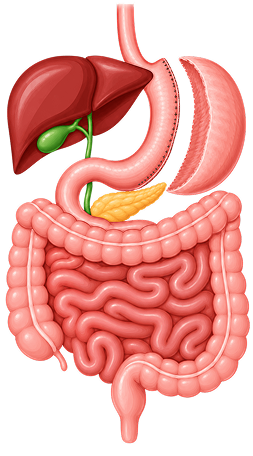
GLP-1, or glucagon-like peptide-1, is a hormone released by the digestive system after eating. It helps the body recognize that food has been consumed and plays a role in appetite and blood sugar control. GLP-1 receptor agonists are prescription medications that act like this natural hormone.
These medications may reduce hunger signals, help you feel full sooner, slow how quickly food leaves the stomach, and help the pancreas release insulin when blood sugar is elevated. Together, these effects may support smaller portions, lower calorie intake, and better blood sugar management.
Not every medication has the same approved use. Saxenda, which contains liraglutide, and Wegovy, which contains semaglutide, are approved for weight management. Ozempic also contains semaglutide but is approved for Type 2 diabetes and certain heart and kidney risks. Mounjaro and Zepbound contain tirzepatide, which acts on both GIP and GLP-1 receptors. Mounjaro is used for Type 2 diabetes, while Zepbound is used for weight management and obesity-related obstructive sleep apnea.
How GLP-1 Agonists Support Weight Loss
See how GLP-1 medications may support appetite, portion control, blood sugar, and long-term weight management.

Less Hunger
May reduce hunger by acting on appetite-regulating pathways in the brain.

Longer Fullness
Slower stomach emptying may help you remain satisfied after meals.

Portion Support
Reduced appetite may make smaller portions easier to manage.
Glucose Control
Some GLP-1 medications help improve blood sugar control in Type 2 diabetes.

Flexible Schedule
The treatment schedule depends on the medication and formulation.
Medical Review
Follow-up helps monitor progress, side effects, and treatment response.

Who May Be a Candidate for GLP-1 Treatment?
GLP-1 treatment may be considered for eligible patients who need additional support with weight management or Type 2 diabetes. Dr. Majid considers the intended treatment goal and the approved criteria for each medication.

Adults with a BMI of 30 or higher who may qualify for weight-management medication

Adults with a BMI of 27 or higher and at least one weight-related health condition

People with Type 2 diabetes who may benefit from additional blood sugar management

Previous weight-management efforts that did not produce sufficient or lasting improvement

Readiness to follow the prescribed schedule, lifestyle plan, and follow-up recommendations
Meeting these criteria does not automatically make a GLP-1 medication appropriate. Dr. Majid also reviews thyroid cancer history, pancreatitis, gallbladder or kidney problems, severe digestive symptoms, diabetic retinopathy, diabetes medications, pregnancy, breastfeeding, and planned procedures. Age requirements and approved uses differ by medication. Do not combine GLP-1 or dual GIP/GLP-1 medications unless specifically directed. If treatment is unsuitable, WLWC may recommend another medical, endoscopic, or surgical weight-management option.
Health Conditions
Conditions Weight Loss May Improve
Type 2 diabetes

High blood pressure

High cholesterol

Obstructive sleep apnea

Fatty liver disease

Obesity-related joint strain
Improvement is not guaranteed and varies according to the amount of weight lost, condition severity, current treatment, and long-term follow-up. GLP-1 treatment does not replace ongoing medical care. Continue prescribed medications, CPAP therapy, and other treatments unless the clinician managing your condition recommends a change.
What to Expect Before and
During GLP-1 Treatment
Starting a GLP-1 medication involves more than receiving a prescription. WLWC evaluates whether it fits your health needs, explains how to use it, and monitors your progress and side effects.

Dr. Majid reviews your weight, BMI, blood sugar, health conditions, current medications, previous treatment, and goals. This evaluation helps determine whether a GLP-1 receptor agonist or a related dual GIP/GLP-1 medication is appropriate and which product fits the intended treatment goal.
Tell the WLWC team about any history of medullary thyroid carcinoma, MEN 2, pancreatitis, gallbladder disease, kidney problems, severe gastroparesis, diabetic retinopathy, or serious medication allergies. You should also discuss pregnancy, breastfeeding, diabetes medications, and any planned procedure requiring anesthesia or deep sedation.

Many GLP-1 medications begin at a low dose that gradually increases according to a medication-specific schedule. The WLWC team monitors your weight, appetite, blood sugar when relevant, hydration, side effects, and overall response.
Common side effects include nausea, vomiting, diarrhea, constipation, indigestion, and abdominal discomfort. Contact the WLWC team if these symptoms persist or become difficult to manage. Seek prompt medical care for severe or persistent abdominal pain, repeated vomiting, dehydration, gallbladder symptoms, or signs of a serious allergic reaction.
How GLP-1 Treatment is Managed
The medication, schedule, and dose are selected according to your treatment goal, health needs, response, and ability to tolerate side effects.

Assess
Your health, medications, and goals guide treatment selection.
Start Low
Many treatments start at a low dose to help limit side effects.
Adjust
Adjust the dose based on the medication schedule & your response.
Follow Up
Review weight, blood sugar, side effects, nutrition, and activity.
Saxenda injections are taken daily, while injectable Wegovy, Ozempic, Mounjaro, and Zepbound are generally taken weekly. Follow the instructions for the specific medication prescribed to you. Missed-dose guidance also differs between products, so do not take an additional dose unless your healthcare provider or the medication instructions advise you to do so.
To learn whether a GLP-1 receptor agonist or another weight-management treatment may be appropriate, schedule a consultation with Dr. Majid at WLWC.
Why Choose WLWC for GLP-1 Receptor Agonists in NJ?
GLP-1 Receptor Agonists is one of the most complex bariatric procedures and requires advanced surgical expertise, careful patient selection and lifelong nutritional follow-up. At the Weight Loss and Wellness Center, Dr. Majid and her team help patients understand whether the procedure aligns with their health needs, weight-loss goals and ability to make long-term dietary changes.

Personalized Treatment Planning
Every plan begins with a careful review of the patient’s medical history, lifestyle, health concerns, previous weight-loss efforts and goals so Dr. Majid can recommend the most appropriate option.
Comprehensive Weight-Loss Care
WLWC offers comprehensive obesity care under one roof, including surgical, endoscopic and medical weight-loss options, nutritional counselling and body contouring, so care can adapt as patients’ needs change.
Long-Term Support After Treatment
Support continues beyond treatment through follow-up care, nutritional counselling, online support groups and WLWC’s Back on Track programme for patients who need help after weight regain.
Four Convenient NJ Locations
With offices in Clifton, Bridgewater, Springfield and Rahway, WLWC makes consultations and follow-up care more accessible to patients across New Jersey.
Advanced Surgical Expertise
Dr. Majid is a board-certified bariatric surgeon and obesity medicine specialist, fellowship-trained in minimally invasive, bariatric and robotic surgery, a published researcher, past president of the New Jersey chapter of ASMBS, with 15+ years’ experience.
Insurance and Financing Support
Coverage varies by plan. WLWC works with several major insurance carriers and offers self-pay and financing options through Cherry and CareCredit. The team helps patients understand their options.
If you are considering GLP-1 Receptor Agonists and want to know whether it is right for you, schedule a consultation with Dr. Majid at the Weight Loss and Wellness Center. With locations in Clifton, Bridgewater, Springfield and Rahway, WLWC provides personalised bariatric care and ongoing support for patients across New Jersey.
Frequently Asked Questions
Are GLP-1 receptor agonists and GLP-1 agonists the same?
Yes. Both terms refer to medications that activate GLP-1 receptors and imitate some of the effects of the naturally occurring GLP-1 hormone.
Are GLP-1 medications insulin?
No. GLP-1 receptor agonists are not insulin. They can support insulin release when blood sugar is elevated, but they work differently from insulin treatment.
Which GLP-1 medications are approved for weight management?
Saxenda and Wegovy are GLP-1 receptor agonists approved for weight management in eligible patients. Zepbound is also approved for weight management, but it is a dual GIP/GLP-1 receptor agonist. Ozempic and Mounjaro have different approved uses primarily related to Type 2 diabetes.
Are Ozempic and Wegovy the same medication?
Both contain semaglutide, but they have different approved uses, formulations, and dosing instructions. Wegovy is approved for long-term weight management in eligible patients, while Ozempic is prescribed for Type 2 diabetes and certain related cardiovascular and kidney risks.
Is tirzepatide a GLP-1 receptor agonist?
Tirzepatide activates GLP-1 receptors, but it also acts on GIP receptors. It is therefore classified as a dual GIP/GLP-1 receptor agonist. Tirzepatide is sold under the brand names Mounjaro and Zepbound for different approved uses.
How much weight can I lose with a GLP-1 medication?
Results vary according to the medication, dose, starting weight, health conditions, eating habits, physical activity, and treatment adherence. Dr. Majid monitors your response rather than applying the same expectation to every patient.
What are the common side effects of GLP-1 agonists?
Common side effects include nausea, vomiting, diarrhea, constipation, indigestion, and abdominal discomfort. These effects may be more noticeable when treatment begins or the dose increases.
Can two GLP-1 medications be used together?
Using two GLP-1 or related dual GIP/GLP-1 medications together is generally not recommended. Tell your healthcare provider about every prescription, over-the-counter medication, and supplement you use.
Can GLP-1 medications be used during pregnancy?
GLP-1 medications prescribed for weight management should not be used during pregnancy. The recommended timing for stopping treatment before a planned pregnancy differs by medication, so discuss pregnancy plans with your healthcare provider in advance.
Do I need to mention GLP-1 treatment before surgery?
Yes. GLP-1 and related medications may slow stomach emptying. Tell the surgical and anesthesia teams about your medication before any planned procedure requiring anesthesia or deep sedation.
Does insurance cover GLP-1 receptor agonists?
Coverage depends on the medication, approved indication, insurance plan, and authorization requirements. A medication may be covered for Type 2 diabetes but not for weight management. The WLWC team can help you review available coverage and payment options.