Endoscopic Sleeve Gastroplasty in New Jersey | ESG at WLWC
Some people need more support than nutrition and physical activity alone but are not ready for, do not want, or may not need bariatric surgery. Endoscopic sleeve gastroplasty (ESG) offers an incision-free option that reduces stomach volume without removing tissue or rerouting the intestines.
At the Weight Loss and Wellness Center, Dr. Saniea F. Majid, MD, FACS, FASMBS, DABOM, reviews your BMI, health, previous weight-loss efforts, digestive history, and goals to determine whether ESG is appropriate. If recommended, your care may include preparation, dietary guidance, recovery support, and long-term follow-up.
Consultations and continued support are available in Clifton, Bridgewater, Springfield, and Rahway.
What is Endoscopic Sleeve Gastroplasty?
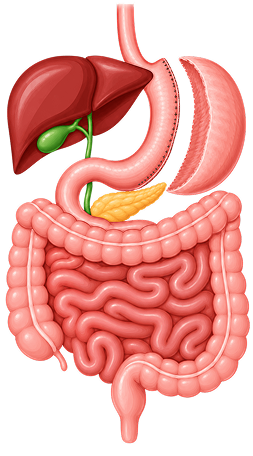
Endoscopic sleeve gastroplasty is a minimally invasive, nonsurgical weight-loss procedure performed through the mouth without abdominal incisions. It is sometimes called an endoscopic sleeve or accordion procedure.
During ESG, Dr. Majid passes a flexible endoscope equipped with a camera and suturing device through the mouth and into the stomach. A series of internal sutures brings sections of the stomach wall together, reshaping the stomach into a narrower, sleeve-like structure.
The procedure can reduce stomach volume by approximately 70%. This limits how much the stomach can hold and may slow stomach emptying, helping you feel full sooner and remain satisfied longer.
Unlike surgical sleeve gastrectomy, ESG does not cut away or permanently remove stomach tissue. It also does not reroute the intestines, so food continues through the digestive tract along its usual path. ESG works best as part of a long-term program that includes nutrition, physical activity, behavior changes, and regular medical follow-up.
Why Consider ESG for Weight Loss?
Explore how ESG may support portion control and weight loss without removing stomach tissue or rerouting the intestines.
No Incisions
Performed through the mouth without cuts through the skin.

Portion Control
Reduces stomach volume to support smaller meal portions.
Feel Full Sooner
May help you feel full sooner and remain satisfied longer.
No Tissue Loss
Reshapes the stomach without cutting away or removing tissue.
No Rerouting
Food continues through the stomach and intestines without rerouting.

Faster Recovery
Recovery is generally shorter than after bariatric surgery.
Who May Be a Candidate for Endoscopic Sleeve Gastroplasty?
ESG may be appropriate for selected adults with obesity who have not achieved lasting weight loss through lifestyle changes alone and prefer an alternative to bariatric surgery. You may be a candidate if you meet the following criteria:

You have a BMI of 30 or higher

Previous weight-loss efforts have not produced meaningful or lasting results

You prefer an incision-free procedure that does not remove stomach tissue

You can safely undergo endoscopy and general anesthesia

You are ready for dietary changes, physical activity, and long-term follow-up
Meeting these criteria does not automatically mean ESG is right for you. Dr. Majid also reviews reflux, stomach ulcers, gastrointestinal bleeding, large hiatal hernias, medications, previous digestive surgery, and pregnancy plans. If ESG is unsuitable, WLWC may recommend a gastric balloon, weight-loss medication, bariatric surgery, or medically supervised weight management.
Health Conditions
Conditions Weight Loss May Improve
Type 2 diabetes

High blood pressure

High cholesterol

Obstructive sleep apnea

Fatty liver disease

Obesity-related joint strain
Improvement is not guaranteed and results vary according to weight loss, disease severity, medications, and continued medical care. ESG does not replace treatment for an existing health condition. Continue prescribed care and only change medications after consulting the clinician managing the condition.
What to Expect Before and
After Endoscopic Sleeve Gastroplasty
ESG includes a detailed evaluation, preparation, endoscopic treatment, dietary progression, and continued follow-up. Dr. Majid and the WLWC team explain each stage before treatment begins.
Dr. Majid reviews your BMI, health history, digestive symptoms, medications, previous weight-loss efforts, and goals. You may need blood tests, other medical evaluations, or nutritional counseling before treatment.
WLWC will provide instructions about fasting and temporarily adjusting certain medications. Because general anesthesia is used, arrange for someone to drive you home and assist you after the procedure.
During the Procedure
While you are under general anesthesia, Dr. Majid passes an endoscope through the mouth and into the stomach. A camera provides a view inside the stomach, while an attached suturing device places stitches that bring the stomach walls together.
The sutures reshape the stomach into a smaller, tube-like structure without removing tissue or making abdominal incisions. The procedure generally takes approximately 90 minutes to two hours, depending on individual needs.
You will be monitored while the anesthesia wears off. Most patients return home on the same day, although some may need overnight observation.
Temporary nausea, abdominal discomfort, bloating, vomiting, or a sore throat may occur. The WLWC team provides instructions for medication, hydration, diet, activity, and follow-up.
Recovery After Endoscopic Sleeve Gastroplasty
Most patients resume routine activities within a few days, although recovery varies. Follow WLWC’s instructions for returning to work, driving, exercise, and lifting. Dietary progression allows the sutures and stomach tissue to heal.
First Day
Home Recovery
Rest at home and take prescribed medication for nausea or discomfort.
Liquids
Fluid Diet
Follow the prescribed liquid diet and take small, frequent sips.

Soft Foods
Diet Steps
Add soft foods only when instructed as the stomach continues to heal.
Solid Food
Textured Foods
Return gradually to small portions of regular-textured foods as directed.
Contact WLWC if you develop severe or worsening abdominal pain, persistent vomiting, difficulty keeping fluids down, fever, bleeding, chest pain, breathing difficulty, or another concerning symptom. Rare complications may include bleeding, infection, stomach injury, leakage, or a reaction to anesthesia.
Why Choose WLWC for Endoscopic Sleeve Gastroplasty in NJ?
Endoscopic Sleeve Gastroplasty is one of the most complex bariatric procedures and requires advanced surgical expertise, careful patient selection and lifelong nutritional follow-up. At the Weight Loss and Wellness Center, Dr. Majid and her team help patients understand whether the procedure aligns with their health needs, weight-loss goals and ability to make long-term dietary changes.
Personalized Treatment Planning
Every plan begins with a careful review of the patient’s medical history, lifestyle, health concerns, previous weight-loss efforts and goals so Dr. Majid can recommend the most appropriate option.
Comprehensive Weight-Loss Care
WLWC offers comprehensive obesity care under one roof, including surgical, endoscopic and medical weight-loss options, nutritional counselling and body contouring, so care can adapt as patients’ needs change.
Long-Term Support After Treatment
Support continues beyond treatment through follow-up care, nutritional counselling, online support groups and WLWC’s Back on Track programme for patients who need help after weight regain.
Four Convenient NJ Locations
With offices in Clifton, Bridgewater, Springfield and Rahway, WLWC makes consultations and follow-up care more accessible to patients across New Jersey.
Advanced Surgical Expertise
Dr. Majid is a board-certified bariatric surgeon and obesity medicine specialist, fellowship-trained in minimally invasive, bariatric and robotic surgery, a published researcher, past president of the New Jersey chapter of ASMBS, with 15+ years’ experience.
Insurance and Financing Support
Coverage varies by plan. WLWC works with several major insurance carriers and offers self-pay and financing options through Cherry and CareCredit. The team helps patients understand their options.
If you are considering Endoscopic Sleeve Gastroplasty and want to know whether it is right for you, schedule a consultation with Dr. Majid at the Weight Loss and Wellness Center. With locations in Clifton, Bridgewater, Springfield and Rahway, WLWC provides personalised bariatric care and ongoing support for patients across New Jersey.
Frequently Asked Questions
How is ESG different from surgical sleeve gastrectomy?
ESG uses internal sutures to reshape the stomach without removing tissue or making abdominal incisions. Surgical sleeve gastrectomy permanently removes a large portion of the stomach.
How much weight can I lose after ESG?
Published patient guidance indicates that people may lose approximately 12% to 20% of their total body weight within the first year. Individual results vary according to starting weight, eating habits, physical activity, health, and follow-up.
Is ESG a permanent procedure?
ESG is intended to provide long-term weight-loss support and is not designed as a temporary procedure. The sutures remain in place as the stomach heals around them.
Can ESG be reversed?
ESG may be revised, converted to bariatric surgery, or potentially reversed in selected cases. However, reversal is not guaranteed or routinely recommended. The available options depend on the stomach’s anatomy and the reason further treatment is needed.
Will I need to stay overnight?
Most patients return home after monitoring on the day of the procedure. Some patients may need overnight observation depending on their health and recovery.
Will ESG leave visible scars?
No. The endoscope and suturing device enter through the mouth, so the procedure does not require external incisions or leave abdominal scars.
What are the possible risks of ESG?
Possible risks include pain, nausea, vomiting, bleeding, infection, stomach injury, leakage, and reactions to anesthesia. Serious complications are uncommon but remain possible.
Can I regain weight after ESG?
Yes. Weight regain is possible after any weight-loss treatment. Nutrition, physical activity, behavioral changes, and regular follow-up help support longer-lasting results.
Can I become pregnant after ESG?
Pregnancy may be possible after ESG, but rapid weight loss can affect nutritional needs. Discuss pregnancy plans with Dr. Majid and your obstetric clinician, and wait until your weight and nutrition have stabilized before trying to conceive.
Does insurance cover ESG?
Insurance coverage varies by provider and plan. Contact your insurer and WLWC customer support team to confirm coverage, authorization requirements, financing options, and possible out-of-pocket costs.