Low BMI Bariatric Surgery in New Jersey | WLWC
People with a BMI below the traditional threshold for bariatric surgery can still experience serious health effects from obesity. Type 2 diabetes, high blood pressure, sleep apnea, fatty liver disease, and reduced mobility may occur in people with a BMI between 30 and 34.9.
At the Weight Loss and Wellness Center, Dr. Saniea F. Majid, MD, FACS, FASMBS, DABOM, looks beyond BMI alone. She reviews each patient’s metabolic health, weight history, previous treatments, medications, and long-term goals to determine whether surgery is appropriate and which procedure may provide the greatest benefit.
WLWC provides preparation, nutrition guidance, recovery support, and long-term follow-up through four New Jersey locations.
What is Low BMI Bariatric Surgery?
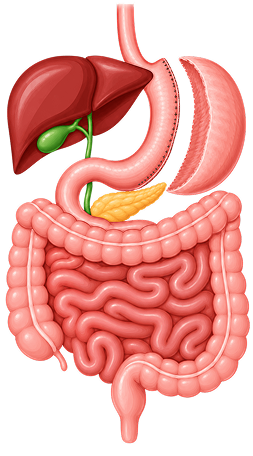
Low BMI bariatric surgery is not a separate operation. It refers to performing an established bariatric procedure for a carefully selected adult with class I obesity, defined as a BMI between 30 and 34.9. Depending on the patient’s health and goals, the recommended operation may be sleeve gastrectomy, Roux-en-Y gastric bypass, or another suitable procedure.
The selected operation changes the stomach, digestive pathway, or both to support weight loss and metabolic improvement. The exact effects, nutritional needs, risks, and recovery differ according to the procedure.
Current clinical guidance supports considering bariatric surgery for adults in this BMI range who have type 2 diabetes or another metabolic condition. It may also be considered when nonsurgical treatment has not produced substantial or durable weight loss or improvement in obesity-related conditions.
BMI is only one part of the evaluation. Dr. Majid also considers medical history, previous treatment, reflux, medications, nutritional health, and readiness for long-term care before recommending surgery.
Why Consider Low BMI Surgery?
See how surgery may support weight loss and improve health when nonsurgical treatment has not provided lasting results.
Weight Loss
May support greater and more durable weight loss than nonsurgical care.

Glucose Control
May improve blood sugar control in eligible patients with type 2 diabetes.
Health Benefits
May improve blood pressure, sleep apnea, cholesterol, and fatty liver.

Better Mobility
Weight loss may make movement and everyday activities easier.

Earlier Care
Allows treatment before obesity and related conditions become more severe.

Better Sleep
Improvement in sleep apnea may support more restful sleep.

Who May Be a Candidate for Low BMI Bariatric Surgery?
Low BMI bariatric surgery may be appropriate for selected adults with class I obesity, particularly when metabolic conditions remain difficult to manage or nonsurgical treatment has not produced lasting weight loss. You may be a candidate if you meet the following criteria:

You have a BMI between 30 and 34.9

You have type 2 diabetes or another obesity-related condition that remains difficult to manage

Previous nonsurgical weight-loss efforts have not produced substantial or lasting results

You receive medical, nutritional, and psychological clearance for surgery

You are ready for long-term dietary changes, supplements, and follow-up care
Meeting these criteria does not automatically mean bariatric surgery is right for you. Dr. Majid also considers your overall health, reflux symptoms, previous abdominal surgery, medications, tobacco use, nutritional risks, and pregnancy plans when relevant. Insurance approval requirements may differ. If surgery is unsuitable, WLWC may recommend medication-based, endoscopic, or medically supervised weight-loss care.
Health Conditions
Conditions Surgery May Improve

Type 2 diabetes

High blood pressure, also known as hypertension

High cholesterol or abnormal lipid levels

Obstructive sleep apnea, also known as OSA

Heart disease and other cardiovascular risk factors

Obesity-related fatty liver disease
Health improvements after surgery vary from patient to patient and depend on the procedure, weight loss, condition severity, current medications, and long-term follow-up. Surgery does not replace ongoing medical care. Continue taking prescribed medications unless the clinician managing your condition recommends a change.
What to Expect Before and
After Low BMI Bariatric Surgery
Low BMI surgery requires the same careful preparation as other bariatric procedures. Dr. Majid explains the recommended operation, expected benefits, limitations, and long-term responsibilities.

The process begins with a comprehensive consultation. Dr. Majid reviews your BMI, weight history, medical conditions, medications, previous weight loss treatments, eating patterns, and long-term goals. She also considers how excess weight affects your metabolic health, mobility, and daily life.
Because low BMI bariatric surgery is not one specific operation, the next step is selecting the most appropriate procedure. Dr. Majid explains why a particular surgery is being recommended and how it compares with nonsurgical, endoscopic, and medication-based options.
Preoperative preparation may include:
- Blood tests and diagnostic assessments
- Nutritional and psychological evaluations
- Medical clearance when required
- Medication and tobacco-use review
- Insurance authorization
- A preoperative eating plan
The exact requirements depend on the selected procedure, individual health needs, and insurance plan.

Postoperative care depends on the procedure performed. The WLWC team monitors your recovery and provides guidance on walking, hydration, incision care, symptom management, diet progression, physical activity, and any required supplements.
Continued care may include:
- Follow-up appointments with Dr. Majid
- Nutritional counseling with a registered dietitian
- Clinical weight management
- Weight loss support groups
- Laboratory testing and supplement monitoring
Long-term follow-up helps the care team monitor weight changes, nutrition, health conditions, and any symptoms that need further evaluation.
Recovery After Low BMI Bariatric Surgery
Recovery varies according to the procedure, overall health, surgical approach, and how the body responds after surgery. Patients are generally encouraged to begin walking soon after the operation and gradually resume daily activities as advised.
Dr. Majid provides individualized guidance about returning to work, driving, exercise, and lifting. Avoid comparing your recovery timeline with another patient’s experience, even if they had the same procedure.
Early Walk
Begin walking soon
Begin walking as advised to support circulation and mobility.
Hydration
Liquid diet
Take small, frequent sips and follow the hydration plan from the care team.

Diet Steps
Soft Foods
Move from liquids to soft and regular foods based on healing and tolerance.
Follow-Up
Regular visits
Attend scheduled visits for weight, nutrition, and overall health.
The length of the hospital stay and time away from work depend on the procedure and individual recovery. Contact the WLWC team if you develop persistent vomiting, worsening abdominal pain, fever, difficulty swallowing, inability to drink, chest pain, shortness of breath, or another concerning symptom.
Why Choose WLWC for Low BMI Bariatric Surgery in NJ?
Low BMI Bariatric Surgery is one of the most complex bariatric procedures and requires advanced surgical expertise, careful patient selection and lifelong nutritional follow-up. At the Weight Loss and Wellness Center, Dr. Majid and her team help patients understand whether the procedure aligns with their health needs, weight-loss goals and ability to make long-term dietary changes.

Personalized Treatment Planning
Every plan begins with a careful review of the patient’s medical history, lifestyle, health concerns, previous weight-loss efforts and goals so Dr. Majid can recommend the most appropriate option.
Comprehensive Weight-Loss Care
WLWC offers comprehensive obesity care under one roof, including surgical, endoscopic and medical weight-loss options, nutritional counselling and body contouring, so care can adapt as patients’ needs change.
Long-Term Support After Treatment
Support continues beyond treatment through follow-up care, nutritional counselling, online support groups and WLWC’s Back on Track programme for patients who need help after weight regain.
Four Convenient NJ Locations
With offices in Clifton, Bridgewater, Springfield and Rahway, WLWC makes consultations and follow-up care more accessible to patients across New Jersey.
Advanced Surgical Expertise
Dr. Majid is a board-certified bariatric surgeon and obesity medicine specialist, fellowship-trained in minimally invasive, bariatric and robotic surgery, a published researcher, past president of the New Jersey chapter of ASMBS, with 15+ years’ experience.
Insurance and Financing Support
Coverage varies by plan. WLWC works with several major insurance carriers and offers self-pay and financing options through Cherry and CareCredit. The team helps patients understand their options.
If you are considering Low BMI Bariatric Surgery and want to know whether it is right for you, schedule a consultation with Dr. Majid at the Weight Loss and Wellness Center. With locations in Clifton, Bridgewater, Springfield and Rahway, WLWC provides personalised bariatric care and ongoing support for patients across New Jersey.
Frequently Asked Questions
What Is Considered a Low BMI for Bariatric Surgery?
Low BMI bariatric surgery generally refers to surgery considered for adults with a BMI between 30 and 34.9, which is classified as class I obesity. Eligibility depends on more than BMI and includes metabolic health, obesity-related conditions, previous treatment, and individual surgical risk.
Is Low BMI Bariatric Surgery a Separate Procedure?
No. The term describes the patient’s BMI range rather than a specific operation. Depending on the patient’s health and goals, Dr. Majid may recommend sleeve gastrectomy, Roux-en-Y gastric bypass, or another appropriate procedure.
Can I Be Considered if I Do Not Have Type 2 Diabetes?
Possibly. Surgery may be considered for selected adults with a BMI between 30 and 34.9 who have not achieved substantial or durable weight loss or improvement in obesity-related conditions through nonsurgical treatment. A consultation is required to determine whether the expected benefits outweigh the risks.
Which Bariatric Procedure Is Best for a Lower BMI?
There is no single procedure that is best for every patient with a lower BMI. Dr. Majid considers metabolic health, reflux, eating patterns, medications, previous abdominal procedures, nutritional risks, and weight loss goals before recommending an operation.
Can Low BMI Bariatric Surgery Improve Type 2 Diabetes?
Bariatric surgery may improve blood sugar control through weight loss and metabolic changes. Some patients may need fewer diabetes medications, while others continue treatment. Results vary, and medications should only be changed under the guidance of the clinician managing the condition.
How Much Weight Can I Lose?
Weight loss varies according to the procedure, starting weight, medical history, eating habits, physical activity, and long-term follow-up. Dr. Majid discusses realistic expectations based on your individual health and recommended procedure rather than promising a fixed result.
Are the Risks Lower Because My BMI Is Lower?
Not necessarily. Surgical risk depends on the procedure, medical history, medications, tobacco use, nutritional health, and other individual factors. A lower BMI does not make bariatric surgery risk-free. Dr. Majid reviews potential complications and available alternatives before treatment.
Can Weight Return After Surgery?
Yes. Some weight recurrence is possible after any bariatric procedure. Regular follow-up, nutrition guidance, physical activity, and early support when weight begins to return can help protect long-term progress. Medication or another treatment may be considered when appropriate.
Does Insurance Cover Low BMI Bariatric Surgery?
Coverage depends on the insurance plan and its medical-necessity requirements. An insurer may use BMI and documentation criteria that differ from current clinical guidance. The WLWC team can help review benefits and authorization requirements. Financing through Cherry Financing and CareCredit may also be available.
What Happens if Surgery Is Not Recommended?
Dr. Majid may recommend another treatment based on your health and goals. Options available at WLWC include clinical weight management, weight loss medications, nutritional counseling, and endoscopic procedures such as endoscopic sleeve gastroplasty.
Where Is Low BMI Bariatric Care Available in New Jersey?
WLWC provides consultations and follow-up care in Clifton, Bridgewater, Springfield, and Rahway. The location where surgery is performed depends on the selected procedure and hospital arrangements.