Mini Gastric Bypass in New Jersey | OAGB at WLWC
When obesity continues to affect your health despite previous weight loss efforts, bariatric surgery may provide another treatment option. Mini gastric bypass, now more commonly called one-anastomosis gastric bypass (OAGB), changes both the size of the functioning stomach and the route food takes through the digestive system.
At the Weight Loss and Wellness Center, Dr. Saniea F. Majid, MD, FACS, FASMBS, DABOM, evaluates your health, weight history, eating patterns, reflux symptoms, nutritional status, and long-term goals before recommending OAGB or another treatment. The procedure can support substantial weight loss and metabolic improvement, but it also requires lifelong supplements, laboratory monitoring, and follow-up.
The WLWC team provides personalized guidance before and after treatment, with consultations and follow-up care available at four New Jersey locations.
What is Mini Gastric Bypass Surgery?
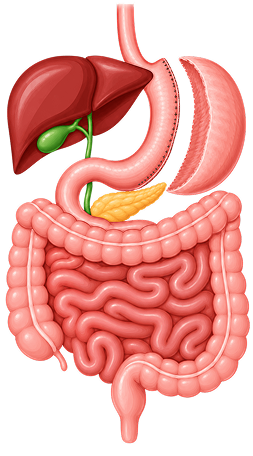
Mini gastric bypass is also known as one-anastomosis gastric bypass, or OAGB. The word “mini” refers to the use of one surgical connection rather than two. It does not mean that the operation or the required follow-up is minor.
During OAGB, the surgeon creates a long, narrow stomach pouch and connects it to a loop of the small intestine. Food then bypasses the remaining stomach and part of the upper small intestine. This limits how much food can be eaten at one time, changes the absorption of nutrients, and produces hormonal and metabolic effects that may support weight loss and blood sugar control.
Unlike Roux-en-Y gastric bypass, OAGB uses one connection between the stomach pouch and small intestine. The length of intestine bypassed is selected according to the surgical plan and can affect both weight loss and nutritional risk.
OAGB requires lifelong supplements, laboratory tests, and follow-up. Important concerns include ulcers, nutritional deficiencies, protein malnutrition, and acid or bile reflux. Severe malnutrition or persistent reflux may require additional treatment or revisional surgery.
Why Consider Mini Gastric Bypass?
OAGB may support weight loss and metabolic health through a smaller stomach pouch and a changed digestive pathway.

One Anastomosis
Uses one stomach-to-intestine connection rather than two.
Weight Management
May support substantial weight loss when paired with lifelong care.

Glucose Control
May help improve blood sugar control and related metabolic conditions.

Reduced Hunger
Hormonal changes may reduce hunger and help patients feel full sooner.

Small Incisions
Usually performed laparoscopically through several small incisions.

Shorter Surgery
One connection may shorten operating time compared with Roux-en-Y bypass.

Who May Be a Candidate for Mini Gastric Bypass?
Mini gastric bypass, also called one-anastomosis gastric bypass (OAGB), may be appropriate for selected adults who qualify for bariatric surgery and can commit to lifelong nutritional care. You may be a candidate if you meet the following criteria:

You have a BMI of 35 or higher, with or without obesity-related conditions

You have a BMI between 30 and 34.9 with metabolic disease or inadequate results from nonsurgical treatment

Previous weight-loss efforts have not produced sufficient or lasting results

Your health, anatomy, and nutritional status make OAGB an appropriate option

You are ready for lifelong supplements, laboratory tests, dietary changes, and follow-up
Meeting these criteria does not automatically mean OAGB is right for you. Dr. Majid also reviews reflux, anemia, nutritional deficiencies, medications, tobacco use, previous abdominal surgery, and your weight-loss goals. Blood tests, imaging, endoscopy, and medical, nutritional, or psychological clearance may be required. Insurance approval requirements differ, and another surgical, endoscopic, medication-based, or medically supervised option may be more appropriate.
Health Conditions
Conditions OAGB May Help Improve

Type 2 diabetes

High blood pressure, also known as hypertension

High cholesterol or abnormal lipid levels

Obstructive sleep apnea, also known as OSA

Heart disease and other cardiovascular risk factors

Obesity-related fatty liver disease
Health improvements after OAGB vary from patient to patient and depend on factors such as weight loss, the severity of the condition, current medications, and long-term follow-up. The procedure does not replace ongoing medical care. Continue taking prescribed medications unless the clinician managing your condition recommends a change.
What to Expect Before and
After Mini Gastric Bypass Surgery
Preparing for OAGB involves more than scheduling surgery. The WLWC team evaluates your health and nutrition before the procedure and provides structured support as you recover and adjust to lifelong changes.

The process begins with a comprehensive consultation. Dr. Majid reviews your BMI, weight history, medical conditions, medications, previous abdominal procedures, reflux symptoms, eating patterns, and past weight loss treatments. She also considers whether OAGB, Roux-en-Y gastric bypass, sleeve gastrectomy, or another approach better fits your needs.
Preoperative preparation may include blood tests, nutritional and psychological evaluations, medical clearance, insurance authorization, and a preoperative diet. Endoscopy or other diagnostic testing may be recommended when symptoms or medical history require further evaluation.
Dr. Majid explains how OAGB changes the digestive pathway, the expected benefits and limitations, available alternatives, and possible complications. These include the procedure-specific concerns of bile or acid reflux and nutritional or protein deficiency.

After OAGB, the care team monitors your early recovery and provides instructions for walking, hydration, symptom management, incision care, and diet progression. Food is reintroduced in stages according to healing and tolerance.
Continued care may include:
- Follow-up appointments with Dr. Majid
- Nutritional counseling with a registered dietitian
- Clinical weight management and support groups
- Lifelong vitamin and mineral supplementation
- Regular blood tests for protein, iron, vitamins, and other nutrient levels
Contact the care team promptly if you develop persistent vomiting, worsening abdominal pain, fever, difficulty swallowing, inability to drink, black stools, chest pain, shortness of breath, or another concerning symptom.
Recovery After Mini Gastric Bypass Surgery
Recovery varies according to overall health, the surgical approach, and how the body responds after the procedure. Patients are generally encouraged to begin walking soon after surgery and gradually resume daily activities as advised. Dr. Majid provides individualized guidance about returning to work, driving, exercise, and lifting.
Dietary recovery follows a phased plan that allows the stomach pouch and surgical connection to heal. The timing may change according to symptoms, tolerance, and WLWC’s instructions.

Early Walk
Begin walking soon
Begin walking as advised to support circulation and mobility.
Hydration
Liquid diet
Take small, frequent sips and follow the hydration plan from the care team.

Diet Steps
Soft Foods
Move from liquids to soft & solid foods according to healing & tolerance.

Lab Checks
Regular visits
Continue lifelong tests for protein, vitamins, minerals, and overall health.
The length of the hospital stay and time away from work vary. Long-term recovery includes daily supplements, adequate protein and fluid intake, regular activity, and scheduled follow-up. Contact the WLWC team if symptoms make it difficult to drink, eat, or follow the recovery plan.
Why Choose WLWC for Mini Gastric Bypass Surgery in NJ?
Mini Gastric Bypass Surgery is one of the most complex bariatric procedures and requires advanced surgical expertise, careful patient selection and lifelong nutritional follow-up. At the Weight Loss and Wellness Center, Dr. Majid and her team help patients understand whether the procedure aligns with their health needs, weight-loss goals and ability to make long-term dietary changes.

Personalized Treatment Planning
Every plan begins with a careful review of the patient’s medical history, lifestyle, health concerns, previous weight-loss efforts and goals so Dr. Majid can recommend the most appropriate option.
Comprehensive Weight-Loss Care
WLWC offers comprehensive obesity care under one roof, including surgical, endoscopic and medical weight-loss options, nutritional counselling and body contouring, so care can adapt as patients’ needs change.
Long-Term Support After Treatment
Support continues beyond treatment through follow-up care, nutritional counselling, online support groups and WLWC’s Back on Track programme for patients who need help after weight regain.
Four Convenient NJ Locations
With offices in Clifton, Bridgewater, Springfield and Rahway, WLWC makes consultations and follow-up care more accessible to patients across New Jersey.
Advanced Surgical Expertise
Dr. Majid is a board-certified bariatric surgeon and obesity medicine specialist, fellowship-trained in minimally invasive, bariatric and robotic surgery, a published researcher, past president of the New Jersey chapter of ASMBS, with 15+ years’ experience.
Insurance and Financing Support
Coverage varies by plan. WLWC works with several major insurance carriers and offers self-pay and financing options through Cherry and CareCredit. The team helps patients understand their options.
If you are considering Mini Gastric Bypass Surgery and want to know whether it is right for you, schedule a consultation with Dr. Majid at the Weight Loss and Wellness Center. With locations in Clifton, Bridgewater, Springfield and Rahway, WLWC provides personalised bariatric care and ongoing support for patients across New Jersey.
Frequently Asked Questions
Why Is It Called Mini Gastric Bypass?
The name refers to the operation using one stomach-to-intestine connection instead of the two used in Roux-en-Y gastric bypass. It is still major abdominal surgery and requires lifelong nutritional care. One-anastomosis gastric bypass, or OAGB, is the more medically descriptive name.
How Does OAGB Differ From Roux-en-Y Gastric Bypass?
OAGB creates a long stomach pouch and connects it to one loop of the small intestine. Roux-en-Y gastric bypass uses two surgical connections to create a different intestinal arrangement. Both affect food intake, hormones, and nutrient absorption, but their reflux risks, nutritional considerations, and suitability can differ. Dr. Majid recommends a procedure after reviewing the individual patient.
How Much Weight Can I Lose After OAGB?
Weight loss varies and cannot be predicted from the procedure alone. Results depend on starting weight, health, anatomy, eating patterns, activity, follow-up, and adherence to the recommended nutrition and supplement plan. Dr. Majid discusses realistic expectations based on your individual evaluation rather than promising a fixed amount.
Can OAGB Improve Type 2 Diabetes?
OAGB may improve blood sugar control through weight loss and metabolic changes. Some patients need fewer diabetes medications after surgery, while others continue treatment. Never stop or adjust diabetes medication without guidance from the clinician managing it.
What Are the Main Risks of OAGB?
Possible complications include bleeding, infection, leakage, blood clots, ulcers, narrowing at the surgical connection, bowel obstruction, nutritional deficiencies, protein malnutrition, and acid or bile reflux. Some complications may require endoscopic treatment, another operation, or conversion to a different procedure. Dr. Majid reviews individual risks before surgery.
Will I Need Vitamins for the Rest of My Life?
Yes. OAGB changes nutrient absorption, so lifelong vitamin and mineral supplements and regular blood tests are essential. The exact plan depends on your diet, laboratory results, and medical needs. Do not rely on a standard over-the-counter multivitamin without confirming that it meets your bariatric care plan.
Can Mini Gastric Bypass Be Reversed?
OAGB can sometimes be revised or reversed, but another operation can be complex and carries additional risks. The procedure should therefore be considered a permanent change. Revision may be necessary for severe malnutrition, persistent reflux, an ulcer, or another complication that does not improve with nonsurgical treatment.
Does Insurance Cover Mini Gastric Bypass?
Coverage varies by insurance plan. Some insurers may cover bariatric surgery when medical-necessity and documentation requirements are met, but individual procedures may have different coverage rules. The WLWC team can help patients review benefits and authorization requirements. Self-pay and third-party financing options may also be available. WLWC does not accept Medicaid plans.
Where Is OAGB Care Available in New Jersey?
WLWC provides consultations and follow-up care in Clifton, Bridgewater, Springfield, and Rahway. The location where surgery is performed depends on the procedure and hospital arrangements. The WLWC team confirms these details during treatment planning.