Robotic Bariatric Surgery in New Jersey | WLWC
Choosing weight loss surgery involves more than selecting a procedure. The surgical approach also depends on the patient’s anatomy, overall health, previous abdominal operations, and the complexity of the planned treatment. For some patients, a robotic-assisted approach may offer the surgeon greater visibility and flexibility while performing the procedure.
At the Weight Loss and Wellness Center, Dr. Saniea F. Majid, MD, FACS, FASMBS, DABOM, first determines which bariatric procedure best suits the patient’s health needs and long-term goals. She then decides whether robotic assistance or another minimally invasive approach is most appropriate for the operation.
The WLWC team supports patients through preparation, recovery, nutrition, and long-term weight management. Consultations and follow-up care are available at four New Jersey locations.
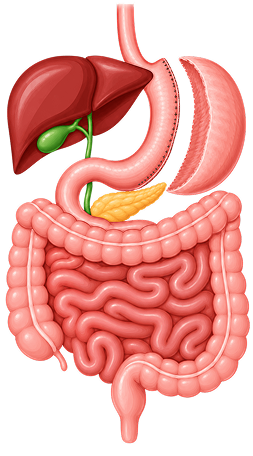
What is Robotic Bariatric Surgery?
Robotic bariatric surgery is a minimally invasive approach used to perform certain weight loss procedures. It is not an operation performed independently by a robot. The surgeon performs the procedure and controls the camera and instruments throughout surgery.
The surgeon sits at a computer console near the operating table and views the surgical area through a magnified, three-dimensional, high-definition display. Hand controls allow the surgeon to move small instruments placed through several abdominal incisions. The system translates these movements in real time, and the instruments can bend and rotate within confined areas.
Robotic and conventional laparoscopic surgery both use small incisions, a camera, and specialized instruments. With laparoscopy, the surgeon holds the instruments directly. With robotic assistance, the surgeon controls them from the console.
Robotic assistance may be used for sleeve gastrectomy, Roux-en-Y gastric bypass, and selected primary or revisional procedures. The surgery, however, does not determine how much weight a patient loses. Results depend on the bariatric procedure, individual health, and long-term adherence to nutrition, activity, supplementation, and follow-up recommendations.
Benefits of Robotic Bariatric Surgery
Explore how surgeon-controlled technology may support visualization, instrument movement, and minimally invasive access during selected procedures.

Surgeon Control
Dr. Majid controls every camera and instrument movement during surgery.
3D HD View
Magnified imaging provides a detailed view of the surgical area.
Flexible Tools
Instruments bend and rotate to support work in confined spaces.
Small Incisions
Procedures use several small incisions instead of one large incision.
Steady Motion
The system translates hand movements into controlled instrument motion.
4 NJ Locations
Consultations and follow-up are available across four NJ locations.

Who May Be a Candidate for Robotic Bariatric Surgery?
Robotic assistance is a surgical approach, not a separate weight-loss procedure. You must first qualify for bariatric surgery. Dr. Majid then determines whether robotic assistance is appropriate for the planned procedure, anatomy, surgical history, and medical needs. You may be a candidate if you meet the following criteria:

You have a BMI of 35 or higher, with or without obesity-related conditions

You have a BMI between 30 and 34.9 with metabolic disease or inadequate results from nonsurgical treatment

You qualify for a bariatric procedure that can be performed with robotic assistance

Your anatomy or previous abdominal surgery may suit a robotic approach

You complete the required evaluations and are ready for long-term follow-up
Meeting these criteria does not automatically mean a robotic approach is right for you. Dr. Majid also considers the planned procedure, surgical complexity, previous operations, and individual risks. Insurance coverage and authorization requirements vary by plan. If robotic assistance is unsuitable, laparoscopic surgery or another appropriate approach may still be available.
Health Conditions
Health Conditions Surgery May Improve

Type 2 diabetes

High blood pressure, also known as hypertension

High cholesterol or abnormal lipid levels

Obstructive sleep apnea, also known as OSA

Heart disease and other cardiovascular risk factors

Obesity-related fatty liver disease
Robotic assistance does not produce weight loss or improve these conditions on its own. Health outcomes depend on the bariatric procedure performed, the patient’s medical needs, and continued care after surgery. Dr. Majid first selects the most appropriate weight loss procedure and then determines whether a robotic or conventional laparoscopic approach is suitable.
What to Expect Before and
After Robotic Bariatric Surgery
Preparing for robotic bariatric surgery involves decisions about both the weight loss procedure and the surgical approach. Dr. Majid and the WLWC team explain each stage and provide support before and after surgery.

The process begins with a comprehensive consultation. Dr. Majid reviews your BMI, medical history, obesity-related conditions, medications, previous weight loss treatments, and any earlier abdominal or bariatric procedures. She first determines which weight loss procedure may be appropriate and then considers whether robotic assistance suits the planned operation.
Preoperative preparation may include blood tests, diagnostic assessments, nutritional and psychological evaluations, medical clearance, medication review, insurance authorization, and a preoperative diet. Requirements vary according to the procedure, health needs, and insurance plan.
Dr. Majid explains the recommended operation, the role of the robotic system, potential benefits and complications, available alternatives, and the long-term changes required after surgery. Patients can use this time to ask questions and understand why a particular surgical approach is being recommended.

Postoperative care depends primarily on the bariatric procedure performed. The WLWC team monitors recovery and provides guidance on walking, hydration, symptom management, diet progression, protein intake, physical activity, and any required vitamin and mineral supplements.
Depending on your needs, continued care may include:
- Nutritional counseling with a registered dietitian
- Clinical weight management
- Weight loss support groups
- Follow-up appointments with Dr. Majid
- Blood tests and supplement monitoring when required
This ongoing care supports recovery while helping patients build habits that protect their nutrition and long-term health.
Recovery After Robotic Bariatric Surgery
Recovery varies according to the bariatric procedure, overall health, surgical complexity, and whether the operation is primary or revisional. Most patients begin walking soon after surgery and gradually return to daily activities. Dr. Majid advises each patient when it is safe to resume work, driving, exercise, and heavy lifting.
Patients also follow a phased diet suited to the procedure and their healing progress. The WLWC team provides individualized instructions rather than using the robotic approach alone to determine the recovery timeline.
Early Walk
Begin walking soon
Begin walking soon after surgery as advised to support circulation and mobility.
Fluids
Liquid diet
Take small, frequent sips and follow the hydration plan from the
care team.

Diet Steps
Soft foods
Move from liquids to soft and solid foods according to healing and tolerance.
Follow-Up
Regular visits
Attend regular visits for recovery, nutrition, supplements, and weight monitoring.
The length of the hospital stay and time away from work vary. Patients undergoing complex or revisional surgery may need additional recovery time. Follow Dr. Majid’s instructions rather than comparing recovery with another patient’s experience.
Why Choose WLWC for Robotic Bariatric Surgery in NJ?
Robotic Bariatric Surgery is one of the most complex bariatric procedures and requires advanced surgical expertise, careful patient selection and lifelong nutritional follow-up. At the Weight Loss and Wellness Center, Dr. Majid and her team help patients understand whether the procedure aligns with their health needs, weight-loss goals and ability to make long-term dietary changes.

Personalized Treatment Planning
Every plan begins with a careful review of the patient’s medical history, lifestyle, health concerns, previous weight-loss efforts and goals so Dr. Majid can recommend the most appropriate option.
Comprehensive Weight-Loss Care
WLWC offers comprehensive obesity care under one roof, including surgical, endoscopic and medical weight-loss options, nutritional counselling and body contouring, so care can adapt as patients’ needs change.
Long-Term Support After Treatment
Support continues beyond treatment through follow-up care, nutritional counselling, online support groups and WLWC’s Back on Track programme for patients who need help after weight regain.
Four Convenient NJ Locations
With offices in Clifton, Bridgewater, Springfield and Rahway, WLWC makes consultations and follow-up care more accessible to patients across New Jersey.
Advanced Surgical Expertise
Dr. Majid is a board-certified bariatric surgeon and obesity medicine specialist, fellowship-trained in minimally invasive, bariatric and robotic surgery, a published researcher, past president of the New Jersey chapter of ASMBS, with 15+ years’ experience.
Insurance and Financing Support
Coverage varies by plan. WLWC works with several major insurance carriers and offers self-pay and financing options through Cherry and CareCredit. The team helps patients understand their options.
If you are considering Robotic Bariatric Surgery and want to know whether it is right for you, schedule a consultation with Dr. Majid at the Weight Loss and Wellness Center. With locations in Clifton, Bridgewater, Springfield and Rahway, WLWC provides personalised bariatric care and ongoing support for patients across New Jersey.
Frequently Asked Questions
Does a Robot Perform Robotic Bariatric Surgery?
No. The robotic system does not operate independently or make decisions. Dr. Majid performs the surgery and controls the camera and instruments from a console in the operating room. The system translates her hand movements into movements of the surgical instruments.
Which Bariatric Procedures Can Be Performed Robotically?
Robotic assistance may be used for sleeve gastrectomy, Roux-en-Y gastric bypass, and selected primary or revisional bariatric procedures. The available approach depends on the procedure, anatomy, previous surgery, hospital resources, and Dr. Majid’s assessment.
Is Robotic Bariatric Surgery Better Than Laparoscopic Surgery?
Not necessarily. Both are minimally invasive approaches that use small incisions, a camera, and specialized instruments. Robotic technology provides a magnified three-dimensional view and wristed instruments, while laparoscopy allows the surgeon to handle instruments directly. Dr. Majid recommends the approach that best suits the planned procedure and individual patient.
Does Robotic Surgery Guarantee a Faster Recovery?
No. Robotic procedures use a minimally invasive approach, but recovery still depends on the operation performed, overall health, surgical complexity, and healing. Robotic assistance does not guarantee less pain, a shorter hospital stay, fewer complications, or a faster return to normal activities.
Is Robotic Bariatric Surgery Safe?
All surgery carries potential risks. The robotic system is a surgeon-controlled tool used to perform minimally invasive procedures. Dr. Majid reviews the risks of the planned bariatric operation, available alternatives, and any considerations related to the patient’s health before recommending an approach.
How Much Does Robotic Bariatric Surgery Cost?
The cost depends on the procedure, hospital charges, insurance benefits, preoperative testing, and individual medical needs. WLWC can help patients understand insurance requirements and offers self-pay and third-party financing options through Cherry Financing and CareCredit. WLWC does not accept Medicaid plans.
Does Insurance Cover Robotic Bariatric Surgery in New Jersey?
Some insurance plans cover bariatric surgery when medical-necessity and documentation requirements are met, but coverage for the robotic approach varies by plan. The WLWC team can help verify benefits and explain authorization requirements before treatment is scheduled.
Where Is Robotic Bariatric Care Available in New Jersey?
WLWC provides consultations and follow-up care through locations in Clifton, Bridgewater, Springfield, and Rahway. The location where surgery is performed depends on the procedure and hospital arrangements. The WLWC team confirms these details during treatment planning.